STOP 01
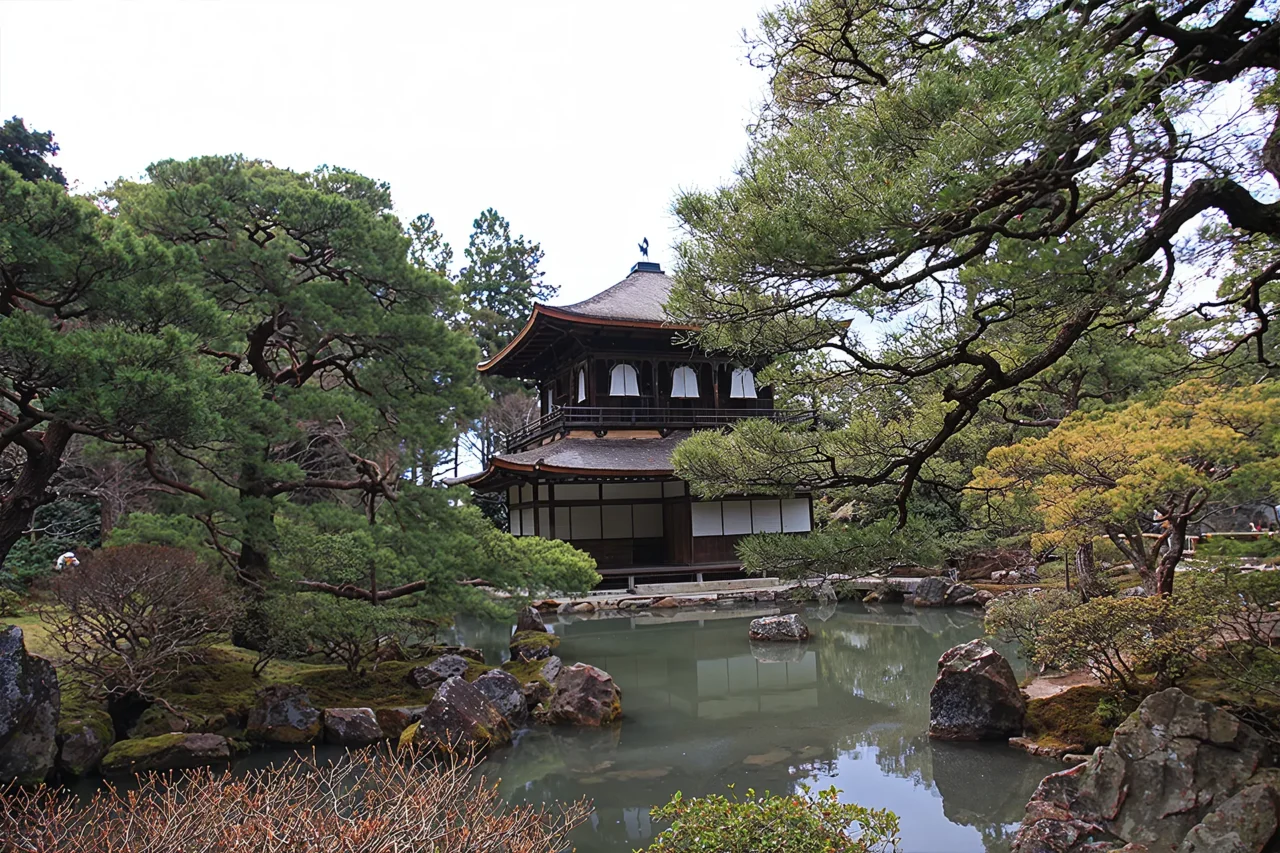
Ginkaku-ji Temple
A UNESCO World Heritage temple founded as the retirement villa of shogun Ashikaga Yoshimasa. Its dry landscape garden, moss-covered grounds, and refined architecture embody Kyoto’s Higashiyama culture.
View detailsRecommended Walking Course
Begin at Ginkaku-ji Temple and follow the Philosopher’s Path south toward Nanzen-ji Temple, visiting Honen-in, Anraku-ji, and Eikan-do along the way. This peaceful half-day route combines a scenic canal-side walk with tranquil temples surrounded by the natural beauty of eastern Kyoto.
Walking distance
Approx. 3.5 km
Duration
Approx. 4–5 hours
Recommended start
Around 9:00 a.m.
Walking conditions
Mostly flat with some gentle slopes
Arashiyama Course Map
The numbered markers correspond to the order of the walking route.
Arashiyama Walking Route
After visiting Ginkaku-ji Temple, follow the canal-side Philosopher’s Path south and explore several peaceful temples before reaching Nanzen-ji Temple.
STOP 01
A UNESCO World Heritage temple founded as the retirement villa of shogun Ashikaga Yoshimasa. Its dry landscape garden, moss-covered grounds, and refined architecture embody Kyoto’s Higashiyama culture.
View detailsSTOP 02
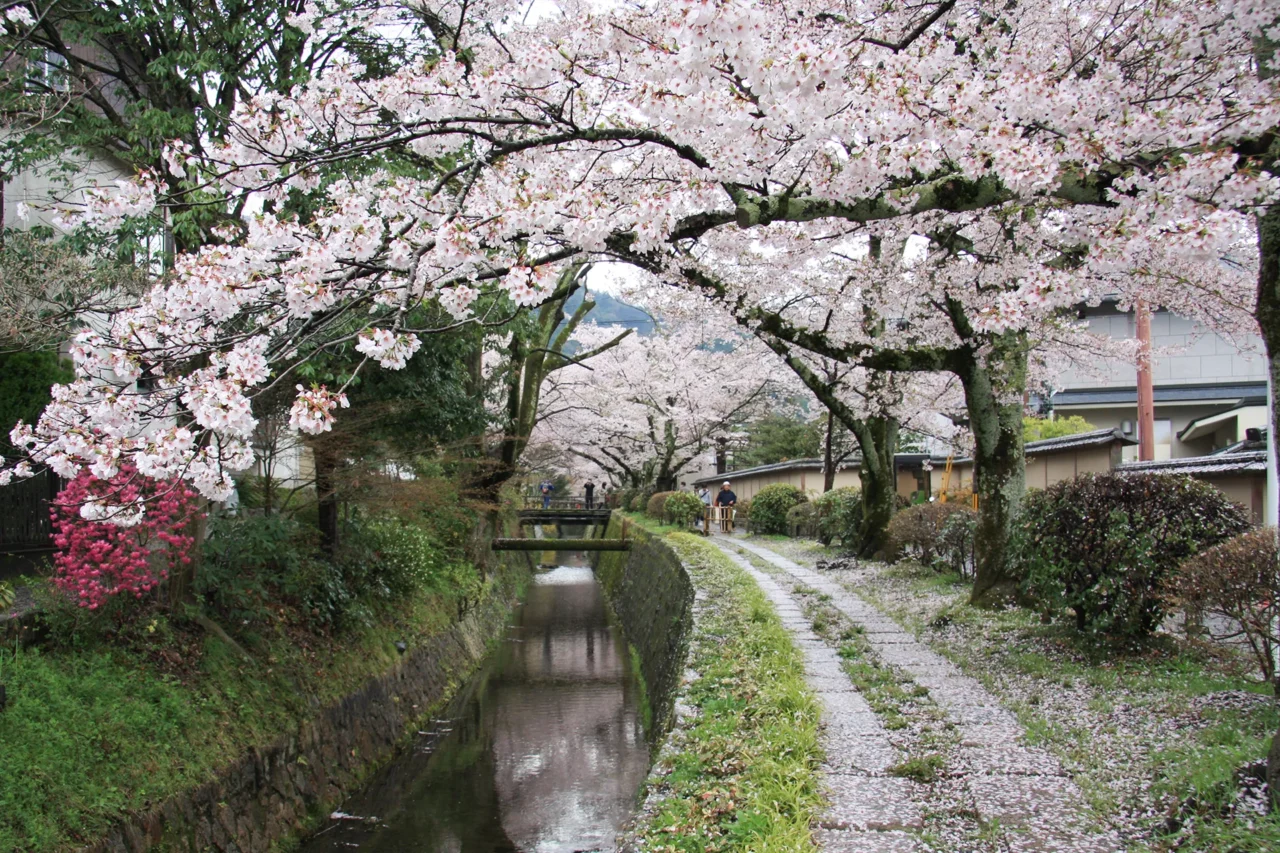
A scenic canal-side path stretching for around two kilometers. Named after philosopher Kitaro Nishida, who is said to have walked here while deep in thought, it is especially beautiful during cherry blossom and autumn foliage seasons.
View detailsSTOP 03
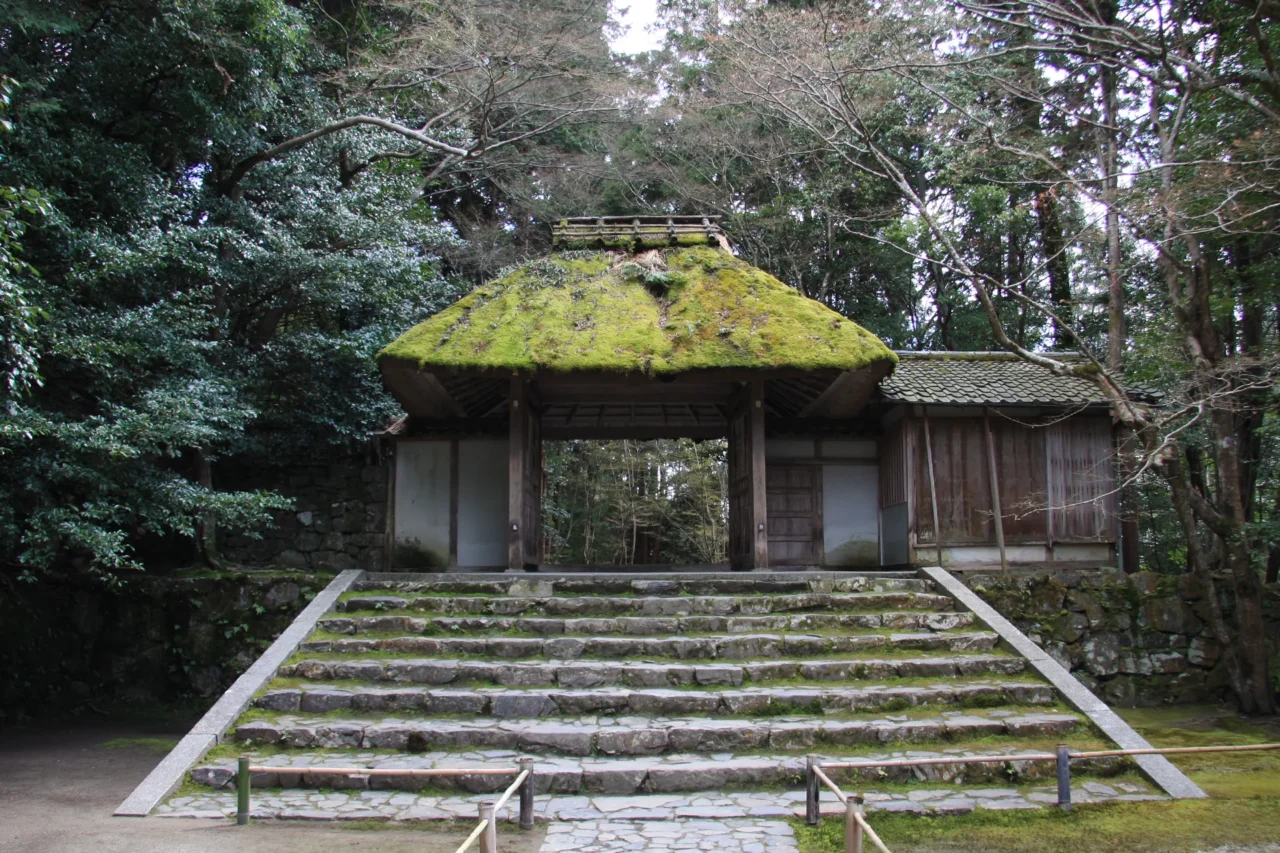
A peaceful temple at the foot of the Higashiyama mountains. Its thatched gate, moss-covered grounds, and carefully patterned white sand mounds create a quiet and contemplative atmosphere.
View detailsSTOP 04
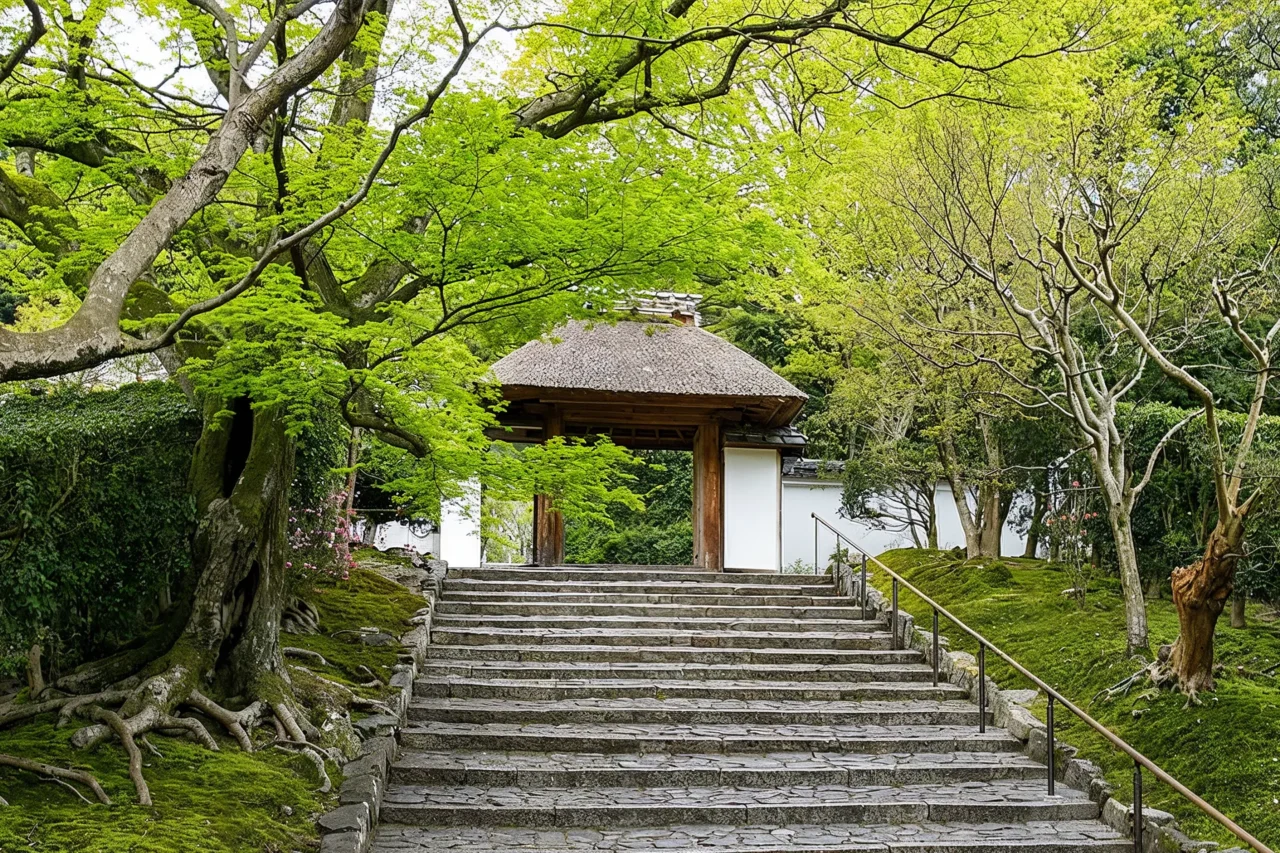
A small temple associated with Honen’s disciples Juren and Anraku. Its stone steps and thatched gate are particularly picturesque, while the grounds usually open only during selected seasonal periods.
View detailsSTOP 05
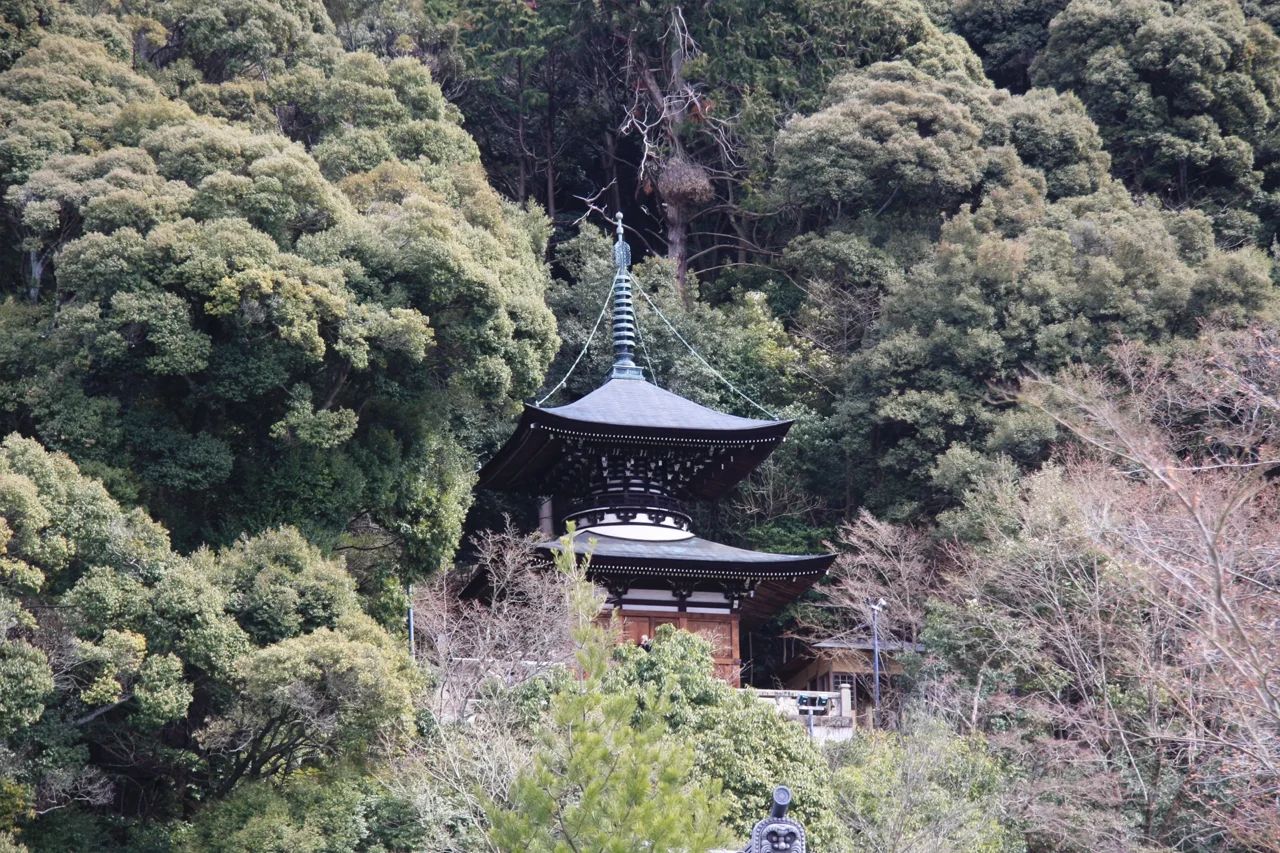
One of Kyoto’s most celebrated autumn foliage temples. Highlights include the unusual Looking-Back Amida statue, atmospheric temple halls, and a hillside pagoda overlooking the grounds.
View detailsSTOP 06
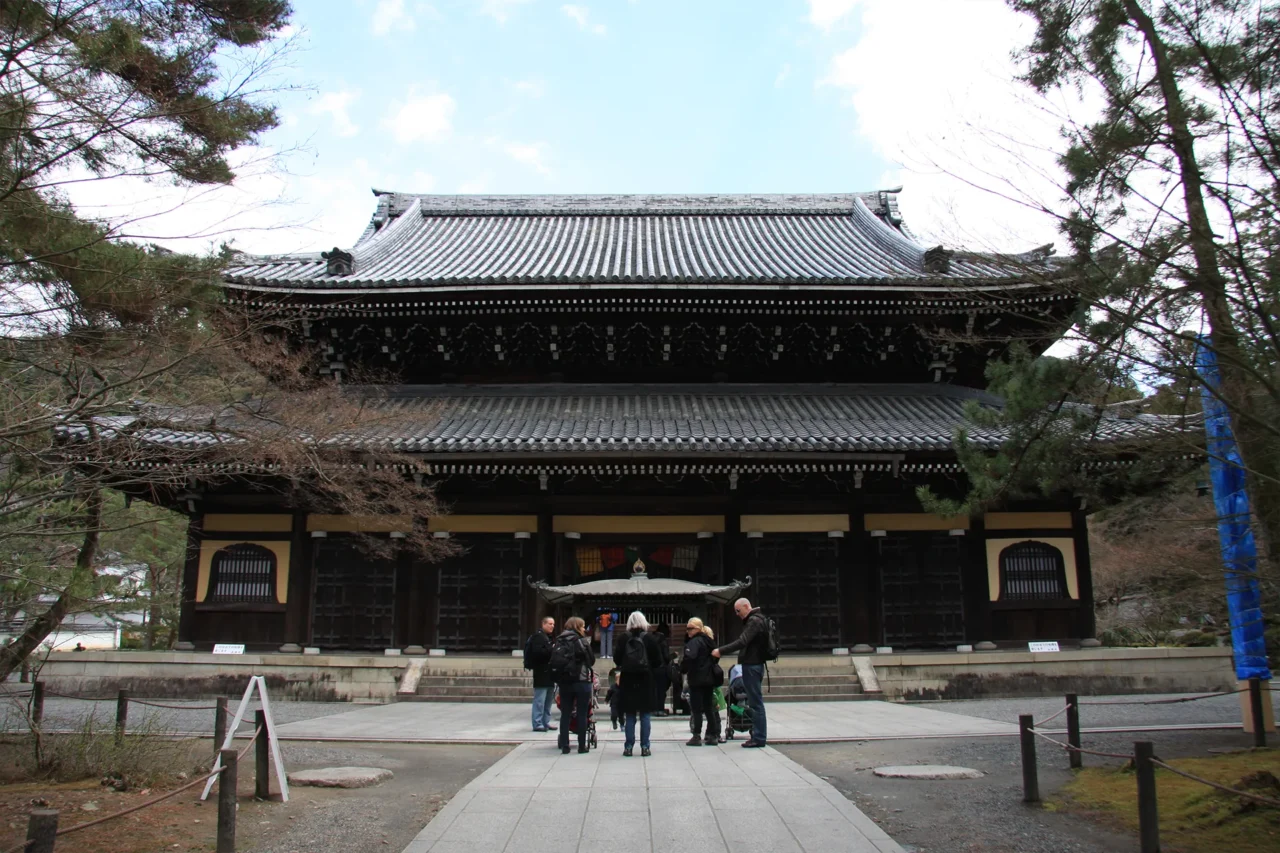
One of Kyoto’s most important Zen temples. Its massive Sanmon Gate, traditional gardens, and red-brick Suirokaku Aqueduct create a distinctive landscape where historic architecture meets modern engineering.
View detailsTimes shown are approximate. The total duration will vary depending on temple visits, breaks, and crowd levels. Anraku-ji Temple is generally closed to the public and may only open during special seasonal viewing periods. When it is closed, the temple gate can still be viewed from outside.
※The numbered markers indicate the order of the course. They may not exactly follow the actual roads or walking paths.