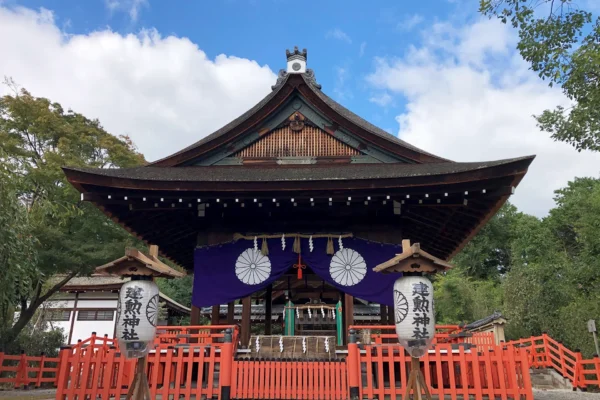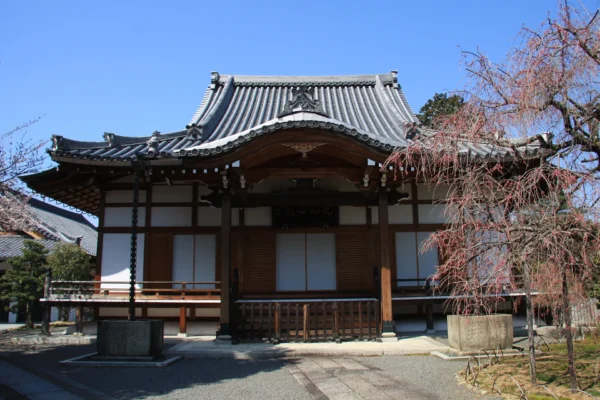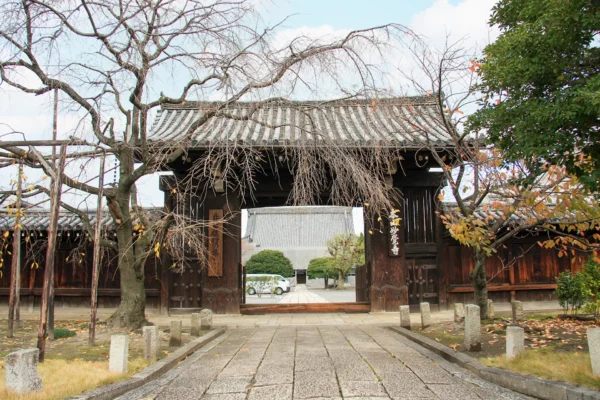
Daitoku-ji is one of Japan’s most influential Zen temple complexes and serves as the head temple of the Daitoku-ji branch of the Rinzai school. Located in northern Kyoto, the vast temple precinct contains the main temple together with more than twenty sub-temples, many of which are celebrated for their outstanding Zen gardens, traditional architecture, and cultural treasures.
The temple is particularly renowned for its close connection with the Japanese tea ceremony. Great tea masters such as Sen no Rikyu and Furuta Oribe, along with powerful military leaders, helped shape Daitoku-ji into one of the spiritual centers of Japanese aesthetics. Today, visitors come to experience the quiet atmosphere, refined gardens, and timeless beauty of Zen culture.
History
Daitoku-ji was founded in 1315 by the Zen master Shuho Myocho (Daito Kokushi). Supported by Emperor Go-Daigo, the temple grew into one of the most important Zen monasteries in medieval Japan.
Although much of the complex was destroyed during the Onin War (1467–1477), it was revived through the efforts of the famous monk Ikkyu Sojun. During the Momoyama period, influential figures including Oda Nobunaga and Toyotomi Hideyoshi became patrons of the temple. Daitoku-ji also developed a profound relationship with Sen no Rikyu, whose philosophy of simplicity and harmony deeply influenced the temple’s culture and many of its sub-temples.
Today, Daitoku-ji remains one of Japan’s finest places to appreciate Zen architecture, dry landscape gardens, and the spiritual traditions that shaped the Japanese tea ceremony.
Highlights
Historic Sub-Temples
Explore more than twenty sub-temples, each featuring unique gardens, architecture, and cultural treasures.
Home of Zen and Tea
Discover the temple’s deep connection with Sen no Rikyu and the development of the Japanese tea ceremony.
Hojo and Karamon Gate
Admire elegant Zen architecture, including the famous Chinese-style gate designated as a National Treasure.
Zen Gardens
Experience some of Kyoto’s finest karesansui (dry landscape) gardens, created for meditation and contemplation.
Peaceful Temple Grounds
Enjoy one of Kyoto’s most tranquil temple precincts, away from the city’s busiest tourist crowds.
Visit Tips
Several sub-temples—including Daisen-in, Ryogen-in, and Zuiho-in—are regularly open to visitors and each offers a different interpretation of Zen garden design. Allow plenty of time to explore them, as the main temple grounds alone only reveal part of Daitoku-ji’s rich heritage.
Daitoku-ji is conveniently combined with Imamiya Shrine, Funaokayama Park, Kenkun Shrine, Kitano Tenmangu Shrine, and Kinkaku-ji, making it an excellent destination for exploring northern Kyoto.
Information
| Opening Hours |
|
|---|---|
| Admission |
|
| Access |
|
| Address | 53 Daitokujicho, Murasakino, Kita Ward, Kyoto, Japan |
| Website | https://daitokujidaijiin.com/ |