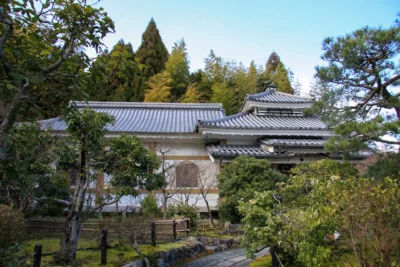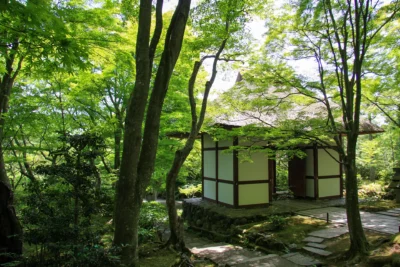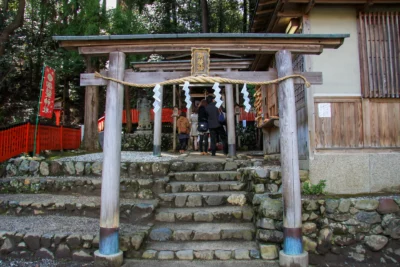
Gio-ji Temple is a small, peaceful temple in Kyoto’s Sagano district, celebrated for its beautiful moss garden and deep connection to The Tale of the Heike. Surrounded by maple trees and bamboo, it offers one of Kyoto’s most tranquil landscapes.
Unlike the busy attractions of central Arashiyama, Gio-ji provides a quiet retreat where visitors can appreciate both the beauty of nature and one of Japan’s most famous historical love stories.
History
The temple traces its origins to the Heian Period and later became closely associated with Gio, a court dancer featured in The Tale of the Heike.
According to the story, Gio, her sister Gijo, their mother, and later Hotoke Gozen all became nuns here after leaving court life. Their story of love, jealousy, and spiritual devotion continues to attract visitors interested in Japanese history and literature.
Highlights
highlights-en
Moss Garden
The temple’s lush moss garden is its greatest attraction, creating a peaceful green landscape throughout most of the year.
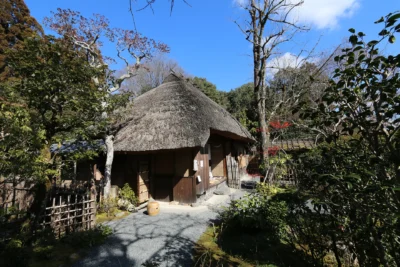
Thatched Hermitage
The traditional thatched-roof hall blends beautifully with the surrounding moss and maple trees, creating one of Sagano’s most picturesque scenes.
Statues of Gio and Hotoke Gozen
Wooden statues of Gio, Gijo, their mother, and Hotoke Gozen preserve the memory of their famous story.
Seasonal Beauty
Fresh greenery in spring, vibrant maple leaves in autumn, and occasional snow make every season special.
Quiet Atmosphere
Because the temple is relatively small and peaceful, it offers an ideal place to slow down and experience the quieter side of Kyoto.
Visit Tips
Gio-ji is easily combined with Jojakko-ji, Nison-in, Adashino Nenbutsu-ji, and Saga Toriimoto as part of a relaxing walking tour through Sagano.
The moss garden is especially beautiful after rainfall, when the vibrant green colors become even more striking. Reading The Tale of the Heike before your visit adds extra meaning to the experience.
Information
| Opening Hours |
|
|---|---|
| Admission |
|
| Access |
|
| Address | 32 Saga Toriimoto Kosakacho, Ukyo-ku, Kyoto, Japan |
| Website | https://www.giouji.or.jp/ |
Gio-ji Temple : Gallery