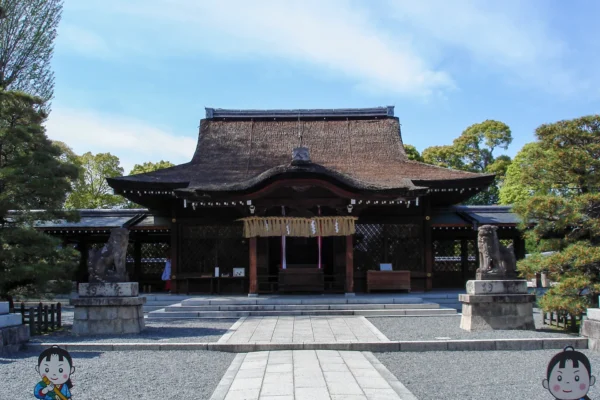
Anrakuju-in Temple is a historic temple in Kyoto’s Fushimi Ward, founded as the principal temple of the magnificent Toba Imperial Villa, where retired emperors governed Japan during the late Heian period. Although the surrounding landscape is now a quiet residential area, the temple preserves the legacy of one of medieval Japan’s most influential political and cultural centers.
The temple is especially known for its Amida Hall and for being the burial place of Retired Emperor Toba, whose leadership shaped the system of cloistered rule (insei). Today, Anrakuju-in offers visitors a peaceful opportunity to explore an often-overlooked chapter of Kyoto’s imperial history.
History
Anrakuju-in was founded in 1137 by Retired Emperor Toba as the central Buddhist temple of his vast Toba Imperial Villa. Built as a place of worship dedicated to Amida Buddha, the temple reflected the growing popularity of Pure Land Buddhism among the aristocracy during the late Heian period.
After his death, Retired Emperor Toba was buried within the temple grounds, and his imperial mausoleum remains here under the care of the Imperial Household Agency. Together with nearby historical sites such as the remains of Toba Imperial Villa and Jonangu Shrine, Anrakuju-in provides valuable insight into the political and religious culture of twelfth-century Kyoto.
Highlights
Amida Hall
Visit the temple’s historic Main Hall, designated as an Important Cultural Property.
Mausoleum of Retired Emperor Toba
See the imperial mausoleum of one of Japan’s most influential retired emperors.
Legacy of the Toba Imperial Villa
Discover the history of the vast imperial residence that once occupied this area.
Peaceful Temple Grounds
Enjoy a quiet atmosphere far from Kyoto’s busiest tourist destinations.
Heian-Period Heritage
Learn about the age of cloistered rule and the flourishing of Pure Land Buddhism.
Visit Tips
While visiting Anrakuju-in, take time to appreciate its connection with Retired Emperor Toba, whose political influence transformed medieval Japan. Understanding this historical background makes the temple especially rewarding for those interested in Japanese history.
The temple pairs well with nearby Jonangu Shrine, the former Toba Imperial Villa area, and Kitamukisan Fudo-in, creating an excellent itinerary for exploring southern Kyoto’s lesser-known imperial heritage.
Information
| Opening Hours |
|
|---|---|
| Admission |
|
| Access |
|
| Address | 121 Takenakajimacho, Fushimi Ward, Kyoto, Japan |
Anrakuju-in Temple : Gallery