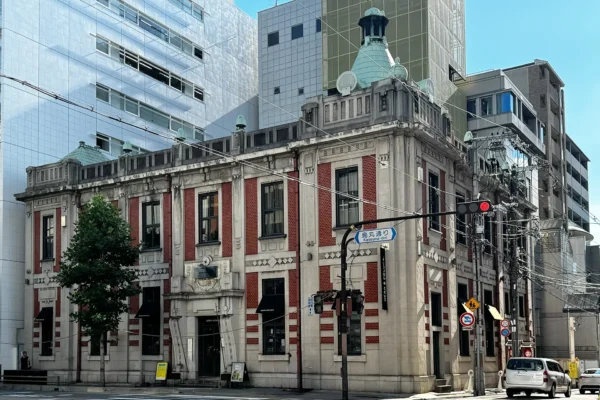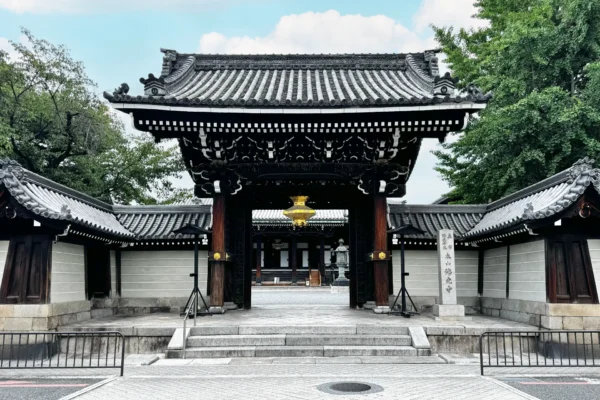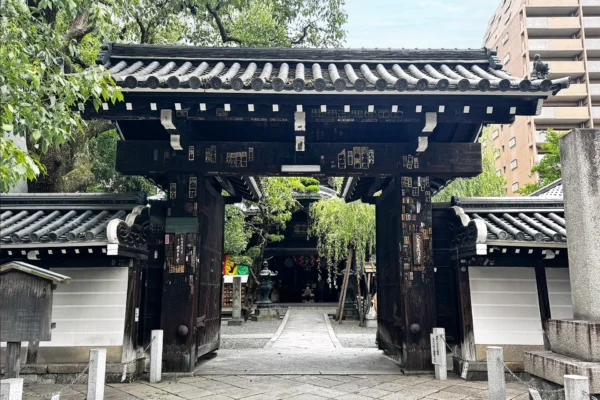
Fune Boko is one of the grand floats of Kyoto’s Gion Festival Early Festival (Saki Matsuri) and is famous for bringing the Yamahoko Procession to a close. Shaped like a traditional Japanese ship, the float is said to represent the vessel of Empress Jingu returning triumphantly from her legendary expedition to the Korean Peninsula.
The float enshrines a statue of Empress Jingu dressed in armor and holding a command baton. At its bow stands a magnificent golden geki, a mythical water bird that serves as the ship’s symbolic figurehead. Lavishly decorated with traditional textiles and fine wood carvings, Fune Boko is one of the festival’s most impressive floats.
During the Yoiyama evenings, visitors can board the float and admire its historic interior and decorations.
History
The origins of Fune Boko date back to the Muromachi period, and it has been preserved by Kyoto’s townspeople for centuries.
The float represents the ship that carried Empress Jingu home after her legendary military campaign. The sacred figure of the Empress stands aboard the vessel in full armor, symbolizing courage, leadership, and a victorious return.
Fune Boko traditionally appears last in the Early Festival procession, marking the conclusion of the Yamahoko Procession. It is closely associated with Ofune Boko, the great ship float of the Later Festival, which was revived in 2014 after an absence of about 150 years. Together, the two ship floats symbolize the departure and return of Empress Jingu’s legendary voyage.
Highlights
Ship-Shaped Festival Float
Fune Boko is one of the few floats designed in the form of a traditional Japanese ship.
Dedicated to Empress Jingu
The float enshrines the armored figure of Empress Jingu, commemorating her legendary triumphant return.
Closing the Early Festival
It has the prestigious role of leading the conclusion of the Early Festival’s Yamahoko Procession.
Paired with Ofune Boko
Together with Ofune Boko of the Later Festival, it tells the complete story of Empress Jingu’s legendary expedition.
Visit Tips
The Yoiyama evenings are the best time to visit Fune Boko, when visitors can board the float and appreciate its elegant decorations and the statue of Empress Jingu.
On the day of the procession, Fune Boko brings the Early Festival to its ceremonial conclusion. If you also attend the Later Festival on July 24, be sure to visit Ofune Boko, whose appearance beautifully complements the story represented by Fune Boko.
Information
| Access |
|
|---|---|
| Address | Funeboko-cho, Shinmachi-dori Ayanokoji-sagaru, Shimogyo-ku, Kyoto, Japan |
| Website | http://www.funeboko.jp/ |