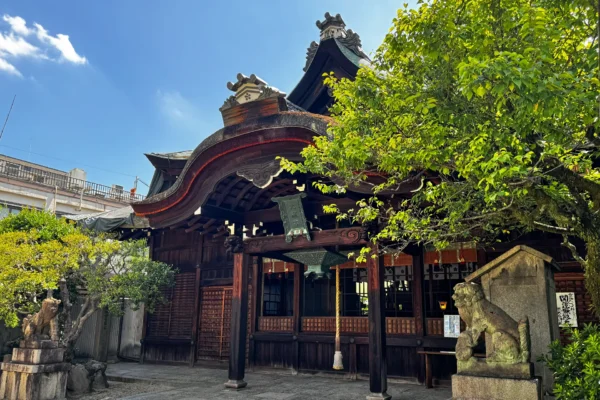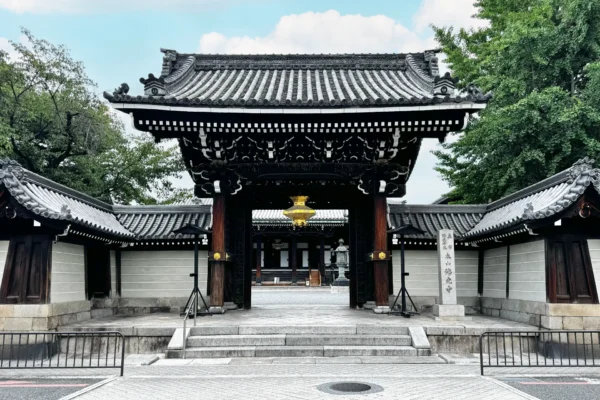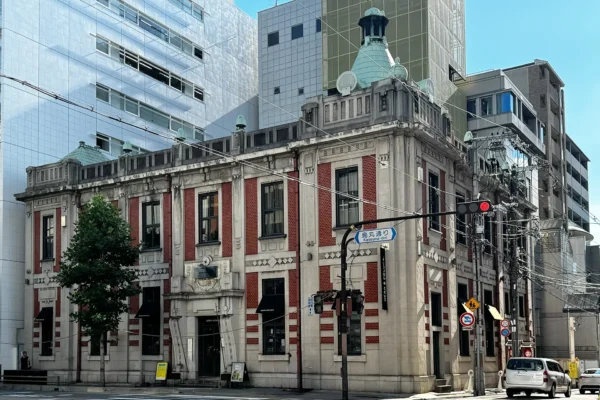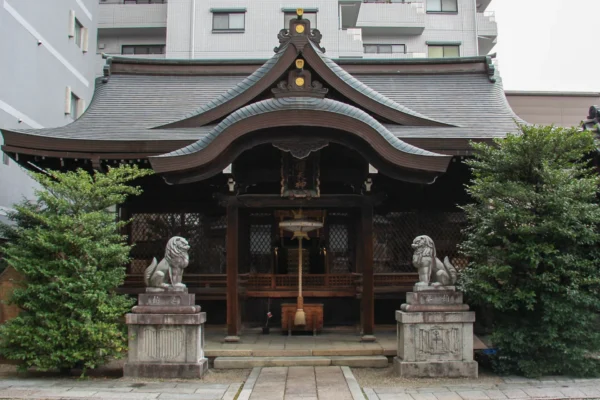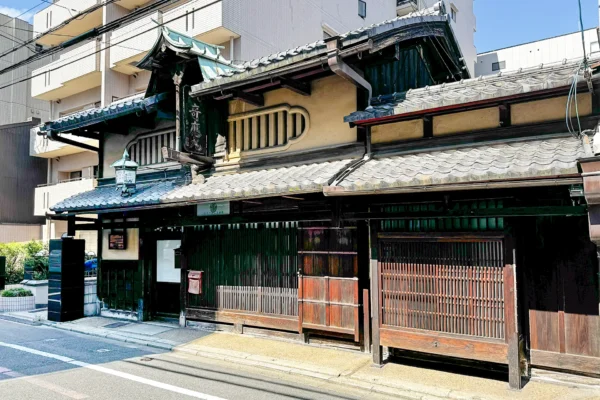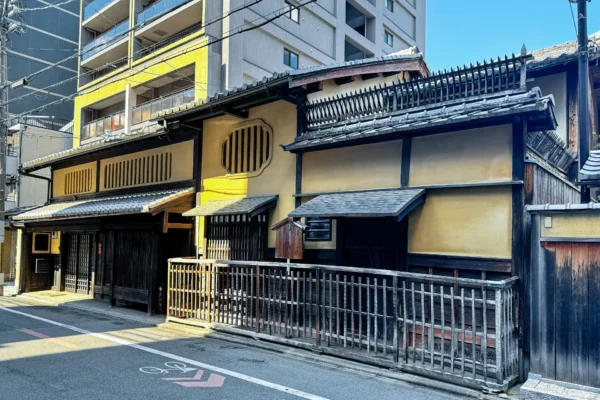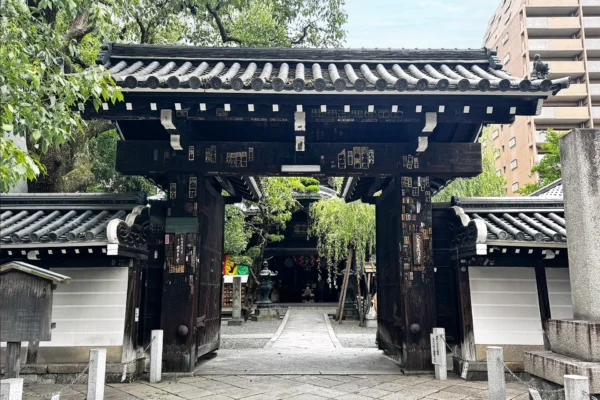
Hakurakuten Yama is one of the floats featured in Kyoto’s Gion Festival Early Festival (Saki Matsuri). It is inspired by the famous encounter between the celebrated Tang Dynasty poet Bai Juyi (known in Japan as Hakurakuten) and the Zen master Daolin (Dorin Zenji).
The float depicts Bai Juyi seeking spiritual guidance from the monk, who is shown practicing meditation high in a tree. This story highlights the importance of wisdom, humility, and self-cultivation, making Hakurakuten Yama one of the festival’s most intellectually significant floats.
History
Hakurakuten Yama is based on a well-known story from the history of Chinese Zen Buddhism.
According to the legend, Bai Juyi visited the Zen master Daolin, who lived and meditated in the branches of a large tree. Concerned for the monk’s safety, Bai Juyi remarked that such a place seemed dangerous. Daolin replied that worldly desires posed a far greater danger than the height of the tree.
When Bai Juyi then asked about the essence of Buddhism, Daolin answered simply: “Avoid evil, practice good, and purify your own mind.” Though expressed in only a few words, this teaching became one of the most famous summaries of Buddhist ethics in East Asia.
Hakurakuten Yama preserves this timeless dialogue, symbolizing the pursuit of wisdom and inner peace.
Highlights
The Dialogue Between Bai Juyi and Daolin
The float recreates one of the best-known conversations in Chinese Zen tradition.
The Monk in the Tree
The sacred figure depicts Daolin meditating in a tree while Bai Juyi seeks his teachings.
A Lesson in Zen
The story emphasizes the simple yet profound teaching of avoiding evil, doing good, and purifying one’s mind.
A Float of Literature and Philosophy
Hakurakuten Yama celebrates the influence of Chinese poetry, Buddhism, and philosophy on Kyoto’s traditional culture.
Visit Tips
Hakurakuten Yama is located in the Shijo-Karasuma festival district and is best explored together with nearby floats inspired by Chinese classics, such as Hakuga Yama, Kakkyo Yama, and Moso Yama.
Understanding the stories behind these floats offers visitors a deeper appreciation of the intellectual and cultural exchanges that shaped Kyoto’s Gion Festival over the centuries.
Information
| Access |
|
|---|---|
| Address | Hakurakuten-cho, Muromachi-dori Ayanokoji-sagaru, Shimogyo-ku, Kyoto, Japan |
| Website | https://hakurakutenyama.jp/ |