
Naginata Boko is the most iconic float of Kyoto’s Gion Festival Early Festival (Saki Matsuri) and always leads the famous Yamahoko Procession. Recognized by the long halberd mounted at its peak, the float symbolizes protection from disease and evil spirits.
Standing about 25 meters tall and weighing approximately 11 tons, Naginata Boko is lavishly decorated with magnificent tapestries and traditional ornaments. It is widely regarded as one of the finest examples of the Gion Festival’s celebrated “moving museum.”
During the Yoiyama evenings in July, thousands of visitors gather to admire the float, while on the day of the procession it proudly leads the parade through the streets of Kyoto.
History
The origins of Naginata Boko date back to the Muromachi period, and it has long served as the symbolic leader of the Gion Festival.
Its name comes from the large naginata (halberd) mounted on the top of the float. The blade is believed to ward off epidemics and evil spirits, and a newly crafted blade is installed each year.
Naginata Boko is also unique because it is the only float carrying a living Chigo (sacred child). Before the procession, the Chigo performs important rituals, including the famous Shimenawa-kiri, in which a sacred rope is ceremonially cut to mark the official start of the parade.
As one of the festival’s kujitorazu floats, Naginata Boko always leads the procession without participating in the annual lottery that determines the order of the other floats.
Highlights
Leader of the Yamahoko Procession
Naginata Boko always leads the procession as one of the prestigious kujitorazu floats.
The Only Float with a Living Chigo
A sacred child rides aboard the float and performs important religious ceremonies before the parade.
Sacred Halberd
The impressive halberd mounted at the top of the float symbolizes protection from epidemics and misfortune.
Spectacular Decorations
Its luxurious tapestries and traditional textiles make Naginata Boko one of the festival’s most magnificent floats.
Visit Tips
The best time to visit is during the Yoiyama evenings (around July 14–16), when the float is illuminated by hundreds of traditional lanterns.
On the morning of the procession, visitors can witness the famous Shimenawa-kiri ceremony near Shijo-Karasuma before Naginata Boko begins leading the Yamahoko Procession. Nearby floats such as Kanko Boko, Tsuki Boko, Niwatori Boko, and Kikusui Boko can all be explored on foot.
Information
| Access |
|
|---|---|
| Address | Naginata Boko-cho, Shimogyo-ku, Kyoto, Japan |
| Website | https://naginatahoko.jp/ |
Nearby Attractions
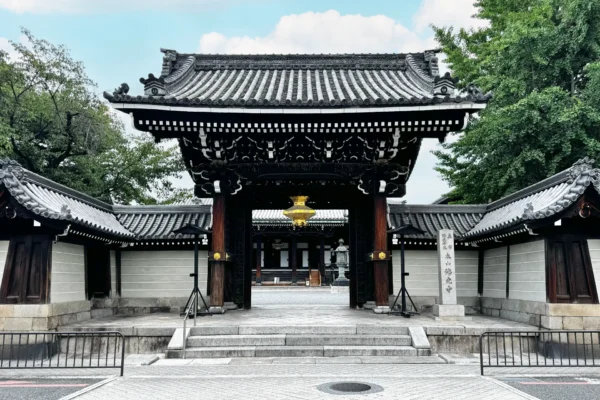
Bukko-ji Temple
170m
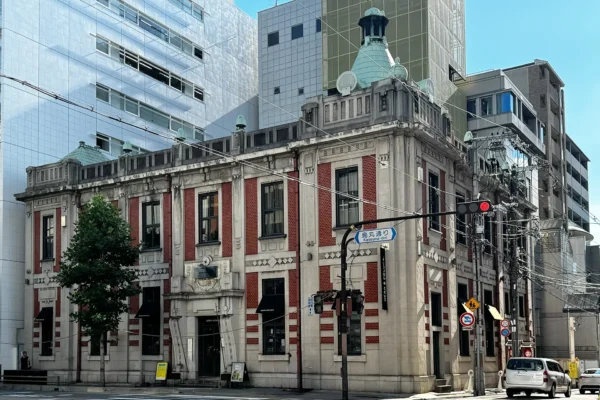
Former Yamaguchi Bank Kyoto Branch
280m

Former Meirin Elementary School (Kyoto Art Center)
311m
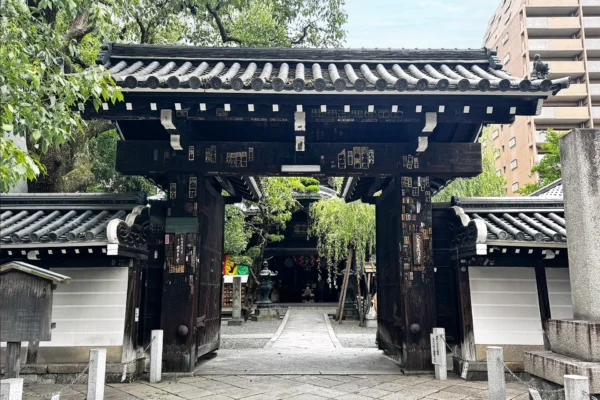
Rokkaku-do Temple (Choho-ji Temple)
416m
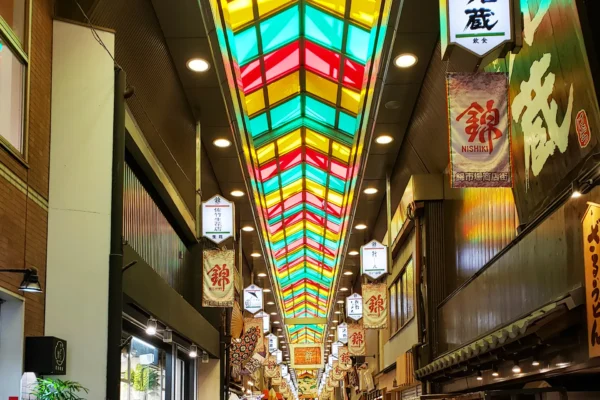
Nishiki Market
417m
Nakagyo Post Office (Former Kyoto Post and Telegraph Office)
557m

Humitsubaki Building
557m

The Museum of Kyoto (Former Bank of Japan Kyoto Branch)
560m