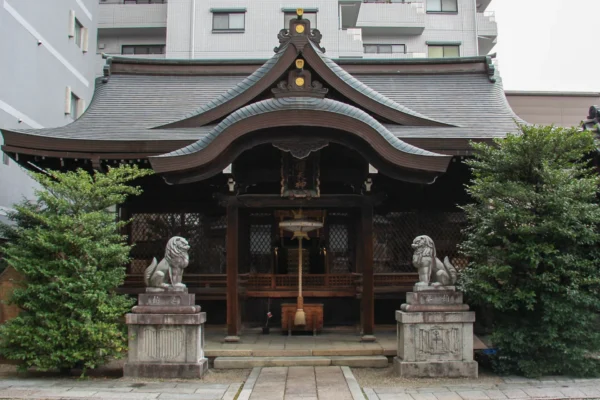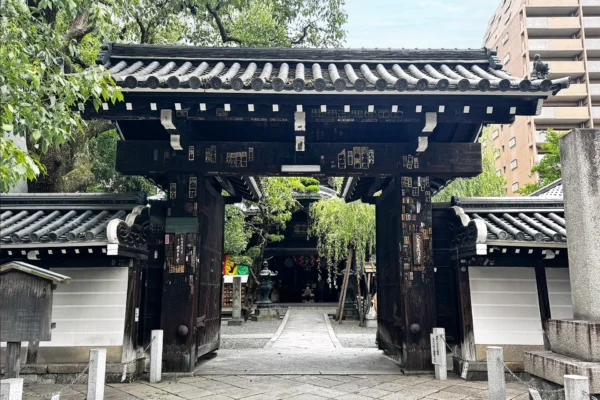
Niwatori Boko is one of the grand floats of Kyoto’s Gion Festival Early Festival (Saki Matsuri). Its name comes from an ancient Chinese legend about a sacred rooster that symbolized peace and good government, making the float a traditional emblem of prosperity and harmony.
Standing approximately 26 meters tall, Niwatori Boko is richly decorated with magnificent tapestries, carved ornaments, and traditional craftsmanship. It is widely recognized as one of the finest examples of the Gion Festival’s celebrated “moving museum.”
During the Yoiyama evenings, visitors can board the float and admire its impressive decorations from up close.
History
The origins of Niwatori Boko date back to the Muromachi period, and the float has been preserved by Kyoto’s townspeople for centuries.
Its name is derived from the Chinese legend of the Kanko-kei (Rooster on the Admonition Drum). According to the story, during the peaceful reign of the legendary Emperor Yao, justice was administered so fairly that no one needed to beat the drum placed outside the palace for complaints. As a result, roosters freely perched upon the unused drum, symbolizing an era of perfect peace and good governance.
Inspired by this legend, Niwatori Boko has long represented hopes for peace, prosperity, and social harmony.
Highlights
Inspired by the “Rooster on the Admonition Drum”
The float commemorates an ancient Chinese legend symbolizing peace and wise government.
One of the Largest Festival Floats
Standing around 26 meters tall, Niwatori Boko is among the grandest floats in the Gion Festival.
Magnificent Decorations
Visitors can admire exquisite textiles, intricate wood carvings, and traditional metalwork.
Board the Float
During Yoiyama, visitors may climb aboard the float to experience its historic interior and craftsmanship.
Visit Tips
The Yoiyama evenings are the ideal time to visit Niwatori Boko, when the float is illuminated by traditional lanterns and open to visitors.
On the day of the procession, the float performs the dramatic tsuji-mawashi turning maneuver near Shijo-Karasuma. Nearby highlights include Naginata Boko, Tsuki Boko, Kanko Boko, and Kikusui Boko, all within easy walking distance.
Information
| Access |
|
|---|---|
| Address | Niwatori Boko-cho, Shimogyo-ku, Kyoto, Japan |
| Website | https://www.niwatorihoko.com/ |