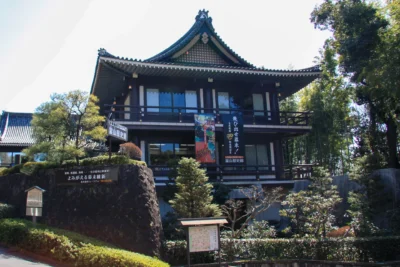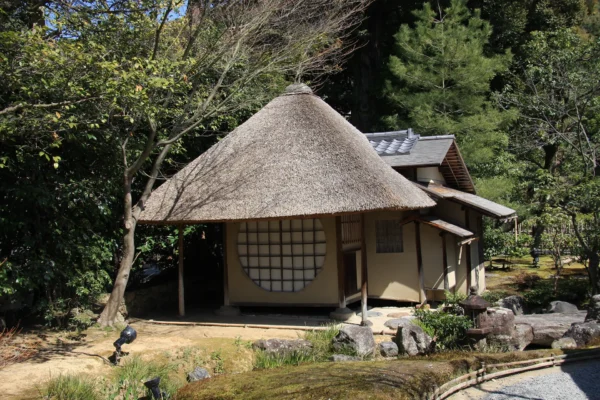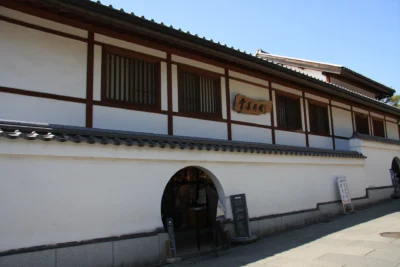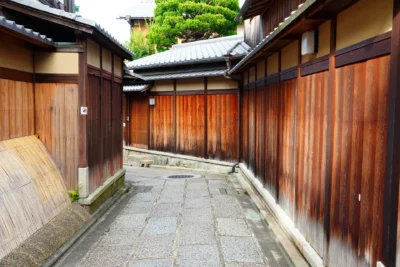
The Site of Suikokan is a quiet historical landmark near Kōdai-ji Temple in Kyoto’s Higashiyama district. During the final years of the Edo period, a villa known as Suikokan stood here and became the meeting place for leading political activists from several domains who gathered to discuss Japan’s future.
Today, only a commemorative stone marker remains, while the surrounding property has become part of the historic restaurant Kyoyamato. Although modest in appearance, the site is an important destination for anyone interested in the Bakumatsu period and the events that led to the Meiji Restoration.
History
Suikokan originated from a sub-temple of Shōbō-ji and later became a scenic villa owned by the aristocratic Washio family. Because of its beautiful views overlooking Kyoto, it was used for poetry gatherings and social events before eventually becoming a property of Nishi Hongan-ji Temple.
In 1863, the villa became famous as the venue for the “Suikokan Conferences,” where influential leaders such as Takechi Hanpeita, Kusaka Genzui, Inoue Monta (later Inoue Kaoru), and Katsura Kogorō secretly discussed plans for the sonnō jōi movement and the political future of Japan. These meetings became an important chapter in the history of the Meiji Restoration.
Highlights
Historic Suikokan Monument
See the stone marker commemorating one of Kyoto’s most significant Bakumatsu meeting places.
Birthplace of the Suikokan Conferences
Stand where leaders from several domains gathered to discuss the future of Japan during the final years of the shogunate.
Bakumatsu Walking Route
The site is close to Kyoto Ryozen Gokoku Shrine, Ryozen Museum of History, and other important Meiji Restoration landmarks.
Scenic Higashiyama Setting
The location has been admired for its beautiful views for centuries and still retains a peaceful atmosphere.
Historic Kyoyamato Property
Part of the historic Suikokan site survives within the grounds of the long-established Kyoyamato restaurant.
Visit Tips
Although the Site of Suikokan is a modest historical marker rather than a large tourist attraction, it is a rewarding stop for anyone interested in the Bakumatsu period. Visiting after Kyoto Ryozen Gokoku Shrine and the Ryozen Museum of History helps place the events of the Suikokan Conferences into historical context.
The site lies along Ishin-no-Michi (Restoration Road), making it easy to continue on foot to Kōdai-ji, Nene-no-Michi, and Ishibei-koji while exploring Kyoto’s historic Higashiyama district.
Information
| Opening Hours |
|
|---|---|
| Admission |
|
| Access |
|
| Address | Masuyacho, Higashiyama Ward, Kyoto, Japan |
Site of Suikokan : Gallery