
The Kyoto Damascene Company is a rare surviving commercial building from the Meiji period, completed in 1890 along Kyoto’s historic Sanjo Street. It served as the headquarters and export center for Kyoto Damascene, the city’s celebrated metal inlay craft that gained worldwide recognition during Japan’s modernization.
Located among several of Kyoto’s finest historic buildings, the structure reflects the city’s transformation into an international center for traditional craftsmanship and global trade. Today, it remains an important reminder of Kyoto’s industrial heritage beyond its famous temples and shrines.
History
Founded in 1890, the Kyoto Damascene Company specialized in producing and exporting Kyoto Damascene, an intricate decorative technique that inlays gold and silver into iron.
During the Meiji era, Japanese decorative arts became highly sought after in Europe and North America. The company played a significant role in introducing Kyoto’s traditional craftsmanship to overseas markets while helping establish the city’s reputation for luxury artisan products.
Its historic headquarters remains an important example of Kyoto’s commercial architecture from the period of rapid modernization.
Highlights
Meiji Commercial Architecture
Completed in 1890, the building represents Kyoto’s early Western-style commercial architecture and reflects the city’s growing international trade during the Meiji era.
Home of Kyoto Damascene
The building served as the headquarters for one of Kyoto’s most celebrated traditional crafts, helping introduce Kyoto Damascene to collectors around the world.
Historic Brick Exterior
Its elegant brick façade reflects the architectural style favored for commercial buildings during Japan’s modernization and has retained much of its original character.
Sanjo Street Heritage
Located on Sanjo Street, the building forms part of one of Kyoto’s finest collections of modern historic architecture, alongside the Museum of Kyoto and other Meiji-era landmarks.
Industrial Heritage of Kyoto
The building tells the story of Kyoto’s industrial and artistic development, illustrating how traditional craftsmanship successfully adapted to international markets.
Visit Tips
The building is best appreciated from the street, where visitors can admire its historic brickwork and architectural details. It is an excellent stop while exploring Kyoto’s modern architectural heritage along Sanjo Street.
Nearby landmarks such as the Museum of Kyoto, Buntsubaki Building, and the historic streets of central Kyoto make this an ideal addition to an architectural walking tour.
Information
| Opening Hours |
|
|---|---|
| Admission |
|
| Access |
|
| Address | 25 Nakano-cho, Sanjo-dori Tominokoji Higashi-iru, Nakagyo-ku, Kyoto, Japan |
Kyoto Damascene Company : Gallery


Nearby Attractions

SACRA Building (Former Fudo Savings Bank Kyoto Branch)
21m
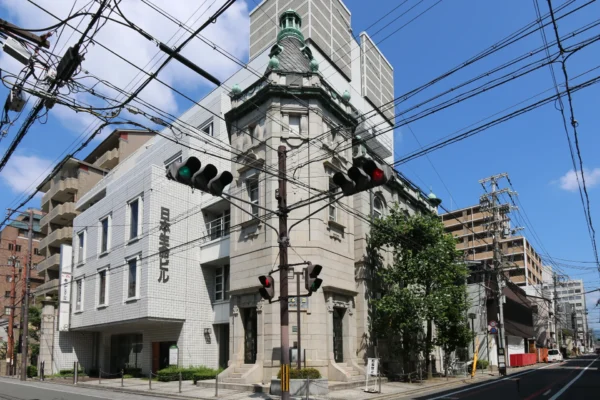
Nippon Life Kyoto Sanjo Building (Former Nippon Life Kyoto Branch)
126m
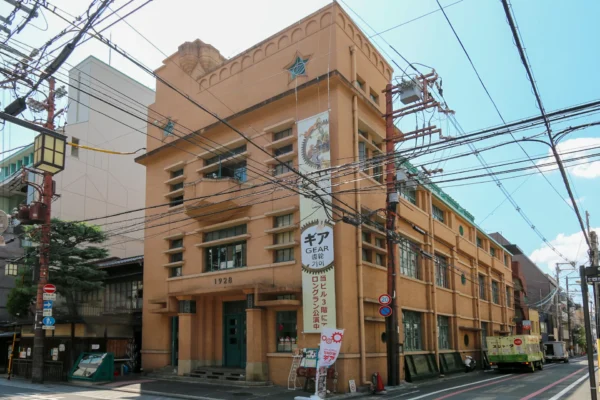
ART COMPLEX 1928 (Former Mainichi Shimbun Kyoto Branch)
143m

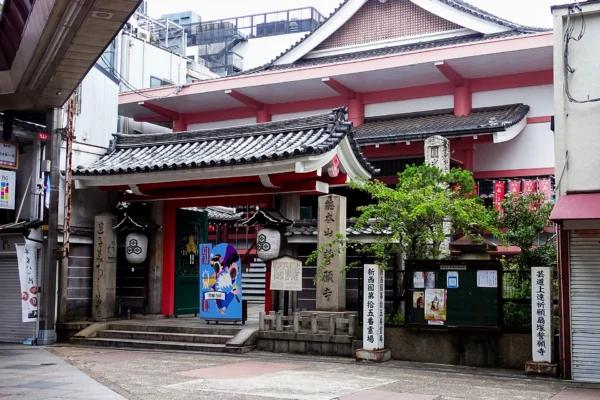
Yata-dera Temple (Yata Jizo)
190m
Seigan-ji Temple
239m

The Museum of Kyoto (Former Bank of Japan Kyoto Branch)
271m
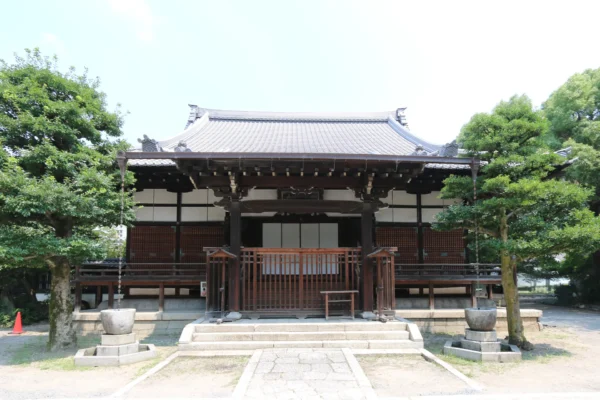
Tensho-ji Temple
293m
Gosho Hachimangu Shrine
318m