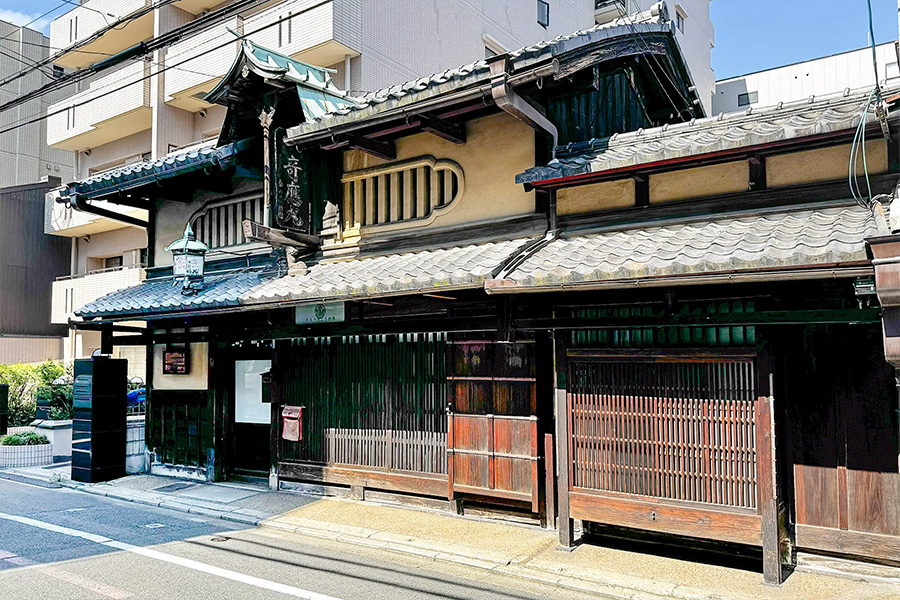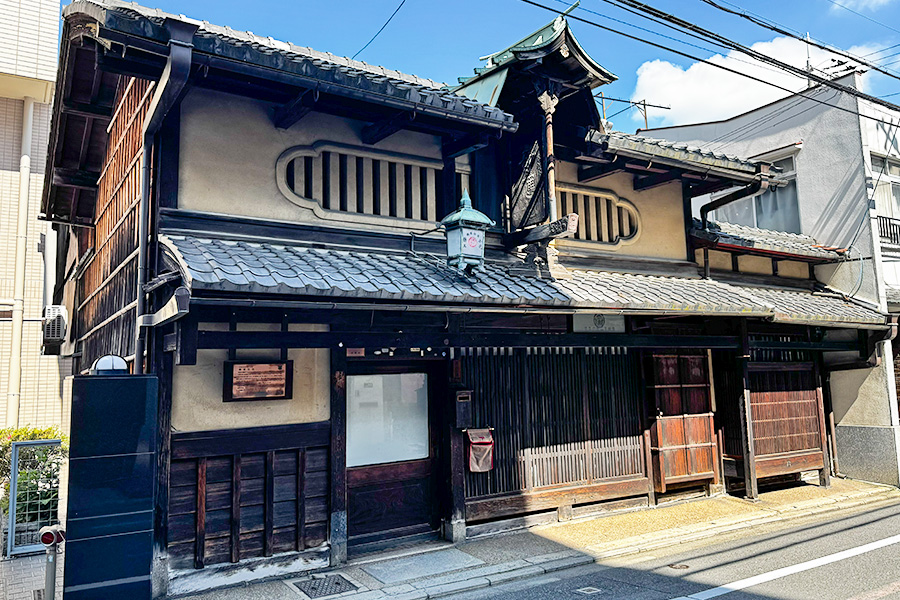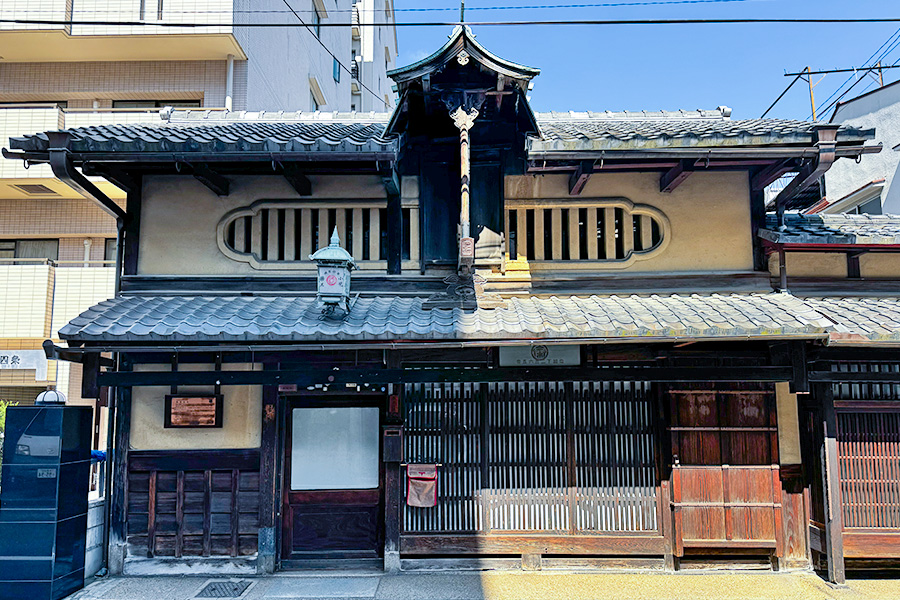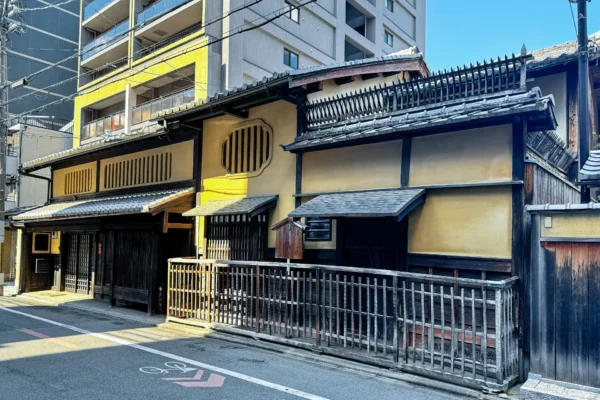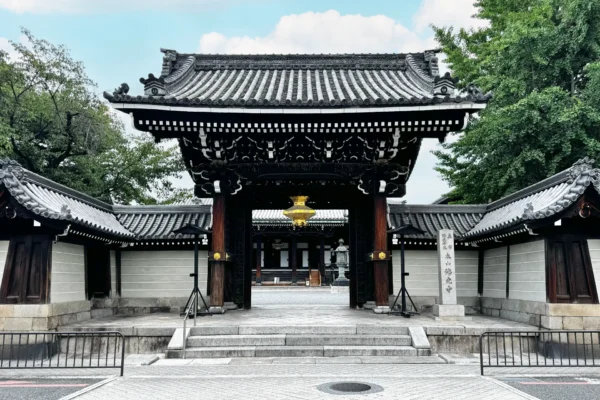
The Hata Family Residence is one of Kyoto’s finest surviving machiya (traditional townhouses). Built during the late Edo period, it has been home to the Hata family, who operated a traditional medicine business for generations.
Unlike many preserved historic houses, the residence continues to function as a private home while also welcoming visitors through guided tours and cultural programs. Its well-preserved earthen passageway, inner courtyard, living quarters, and traditional architectural details provide an authentic glimpse into everyday life in historic Kyoto.
Designated as a Kyoto City Tangible Cultural Property, the residence is considered an outstanding example of a living machiya.
History
The Hata family operated a pharmaceutical business in Kyoto from the Edo period onward, and the present residence is believed to date from the early nineteenth century.
Like many Kyoto merchant houses, the building combined a shop, workspace, and family residence under one roof. This efficient layout became the standard form of Kyoto’s machiya architecture.
While many traditional townhouses have disappeared, the Hata Family Residence has been carefully preserved through continued residential use and cultural activities, helping to pass Kyoto’s traditional lifestyle to future generations.
Highlights
A Living Machiya
Unlike many historic buildings preserved as museums, the Hata Family Residence continues to function as a family home while welcoming visitors.
Earthen Passageway
The long tori-niwa (earthen corridor) is a defining feature of Kyoto townhouses, providing light, ventilation, and workspace.
Courtyard and Atrium
An elegant inner garden and open atrium allow natural light and fresh air to reach the center of the house, demonstrating the ingenuity of traditional Kyoto architecture.
Merchant Lifestyle
Visitors can learn how merchants in Kyoto lived and worked under one roof during the Edo period.
Cultural Programs
The residence regularly hosts cultural events, tea gatherings, and workshops that introduce visitors to Kyoto’s traditional lifestyle.
Visit Tips
Public access is limited, so it is advisable to check opening dates or make a reservation before visiting.
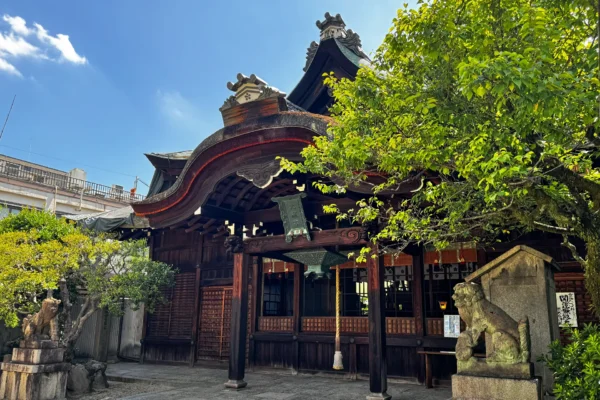
Nearby attractions include Bukko-ji Temple, Higashi Hongan-ji Temple, Nishi Hongan-ji Temple, Shosei-en Garden, and downtown Shijo-Karasuma, making this area ideal for exploring both Kyoto’s traditional townhouses and historic temples.
Information
| Opening Hours |
|
|---|---|
| Admission |
|
| Access |
|
| Address | 594 Taishiyama-cho, Aburanokoji-dori Bukkoji Sagaru, Shimogyo-ku, Kyoto, Japan |
| Website | https://www.hata-ke.jp/ |
Hata Family Residence : Gallery