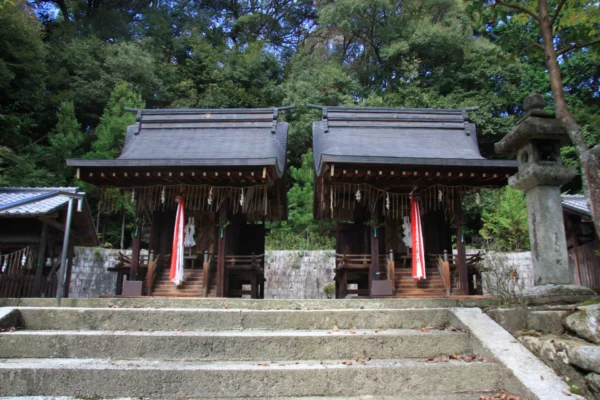
The Former Residence of Iwakura Tomomi is a nationally designated historic site located in Kyoto’s quiet Iwakura district. It was here that Iwakura Tomomi, one of the most influential statesmen of the Meiji Restoration, lived in seclusion for nearly five years after falling from political power.
The simple thatched farmhouse preserves the atmosphere of the late Edo period and offers visitors a rare opportunity to experience the modest surroundings in which plans for modern Japan were quietly developed.
History
Following the Political Coup of August 18, 1863, Iwakura Tomomi was removed from political office and forced into seclusion in the rural village of Iwakura, north of Kyoto. He lived in this residence from 1863 to 1867, remaining under close watch while continuing to communicate secretly with leading Restoration figures such as Saigo Takamori, Okubo Toshimichi, and Kido Takayoshi.
During his years in seclusion, Iwakura played a crucial role in shaping plans for the restoration of imperial rule. After returning to politics in 1867, he became one of the principal architects of the Meiji Restoration and later served as one of the new government’s most influential leaders.
Today, the residence stands as an important reminder of one of the defining turning points in modern Japanese history.
Highlights
Thatched Main House
Explore the authentic farmhouse where Iwakura Tomomi lived during his exile.
Living Quarters
See the modest rooms where plans for Japan’s modernization were quietly discussed.
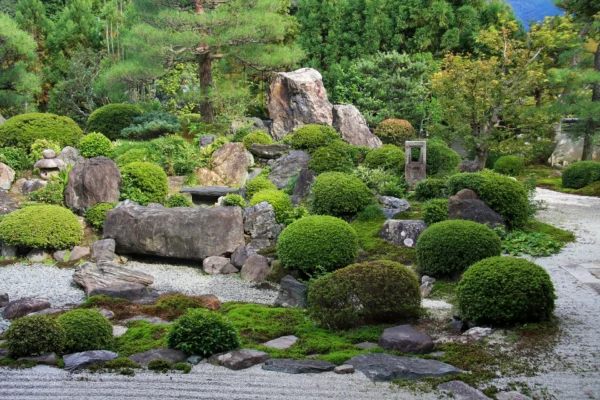
Historic Garden
Enjoy the peaceful garden that has preserved the atmosphere of the late Edo period.
Meiji Restoration Exhibits
Learn about Iwakura Tomomi and the dramatic events that transformed Japan.
Rural Iwakura Landscape
Experience the tranquil countryside that provided refuge during a turbulent era.
Visit Tips
Unlike grand castles or palaces, this residence illustrates the modest lifestyle of one of Japan’s greatest political leaders during his years of exile. Allow time to explore both the house and the historical exhibits.
The site combines well with nearby Jisso-in Monzeki, Iwakura Shrine, and Miyake Hachimangu Shrine, offering a rewarding journey through the history and culture of northern Kyoto.
Information
| Opening Hours |
|
|---|---|
| Admission |
|
| Access |
|
| Address | 100 Iwakura Aguracho, Sakyo Ward, Kyoto, Japan |
| Website | https://iwakura-tomomi.jp/en/info/ |
Former Residence of Iwakura Tomomi : Gallery