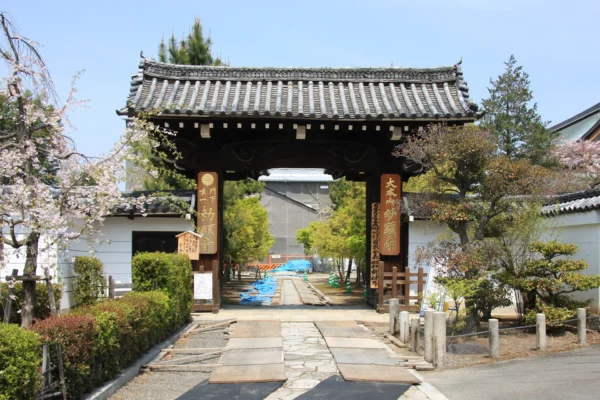
Shiramine Shrine is a historic Shinto shrine dedicated to Emperor Sutoku and Emperor Junnin, two emperors who spent their final years in exile. Established in 1868 by imperial decree, the shrine honors their spirits and preserves an important chapter of Japan’s imperial history.
Today, Shiramine Shrine is widely known as Kyoto’s shrine of sports. Athletes from across Japan visit to pray for success in soccer, baseball, volleyball, rugby, and many other sports. Its unique connection to the ancient court game of kemari makes it one of Kyoto’s most distinctive shrines.
History
Shiramine Shrine was founded in 1868 when Emperor Meiji ordered that the spirit of Emperor Sutoku be transferred from his mausoleum in present-day Kagawa Prefecture back to Kyoto. In 1940, Emperor Junnin was also enshrined here.
The shrine also preserves the traditions of the Asukai family, who served for centuries as masters of kemari, the elegant ball game played by the imperial court. This heritage has made the shrine a symbol of athletic skill and sportsmanship.
Highlights
Kemari Court
The shrine features a traditional kemari court where ceremonial performances are still held. Watching this elegant court sport offers visitors a glimpse into aristocratic culture from the Heian period.
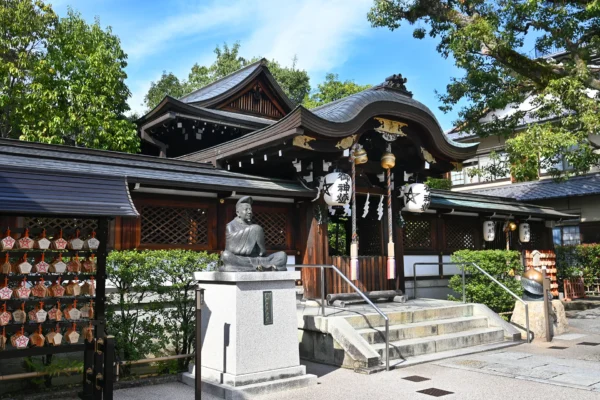
Sports Amulets
Shiramine Shrine is famous for its sports-related lucky charms. Athletes from beginners to professionals visit to pray for victory, improvement, and injury prevention.
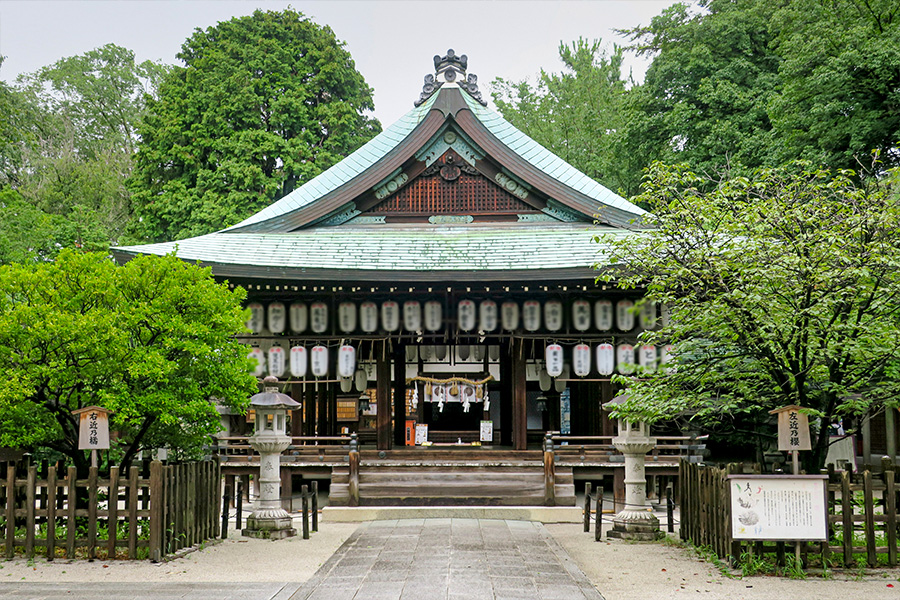
Main Sanctuary
The main sanctuary enshrines Emperors Sutoku and Junnin. It serves as a place of remembrance while also attracting worshippers seeking success, perseverance, and good fortune.
Asukai Family Heritage
The shrine preserves the legacy of the Asukai family, who played a central role in maintaining Japan’s kemari tradition for hundreds of years.
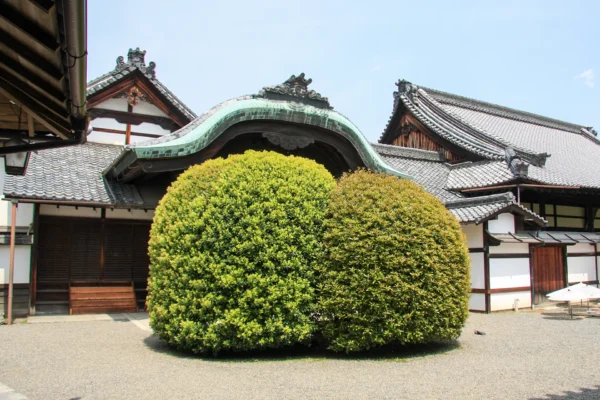
Peaceful Shrine Grounds
Surrounded by seasonal greenery, the shrine provides a relaxing atmosphere just a short walk from Kyoto Gyoen National Garden.
Visit Tips
If you’re interested in Japanese sports culture, try to visit during one of the shrine’s kemari demonstrations held in spring or summer. These traditional performances are rarely seen elsewhere.
Sports enthusiasts often purchase the shrine’s famous sports amulets before important matches or competitions. The shrine also pairs well with visits to Kyoto Gyoen National Garden and nearby historic temples.
Information
| Opening Hours |
|
|---|---|
| Admission |
|
| Access |
|
| Address | 261 Asukai-cho, Kamigyo-ku, Kyoto, Japan |
| Website | https://shiraminejingu.or.jp/ |
Shiramine Shrine : Gallery