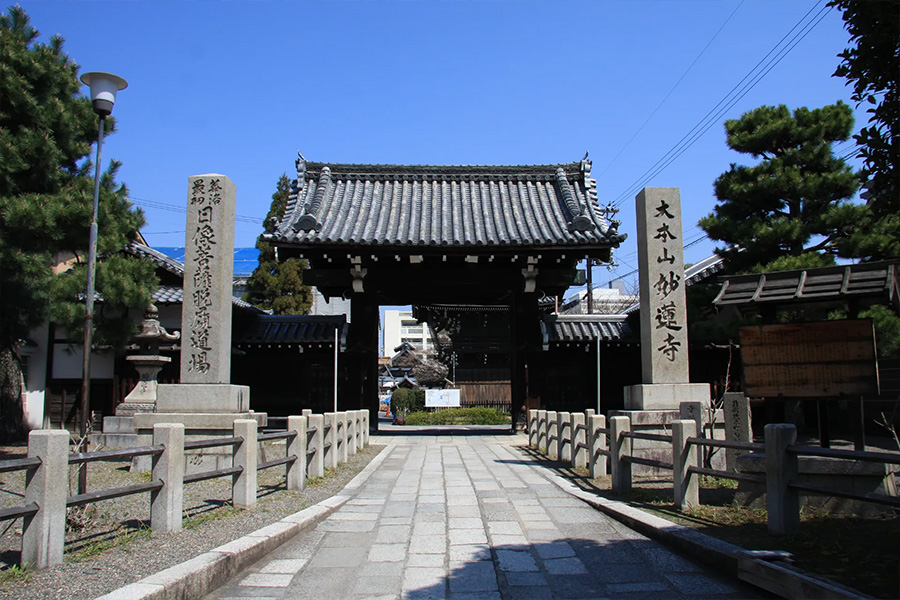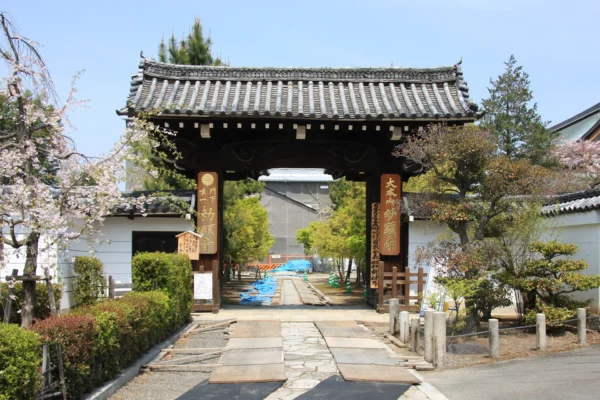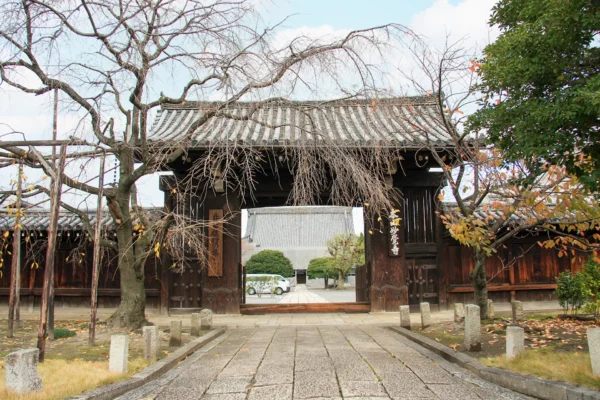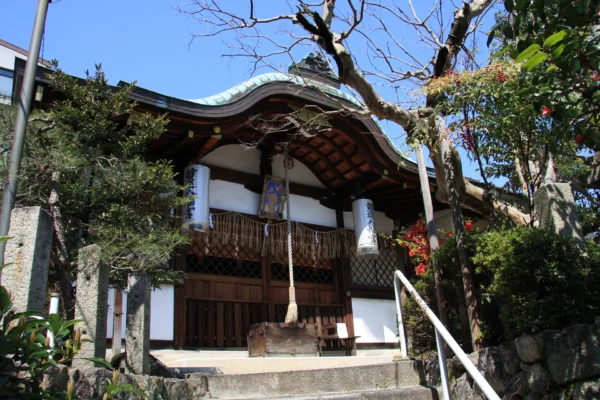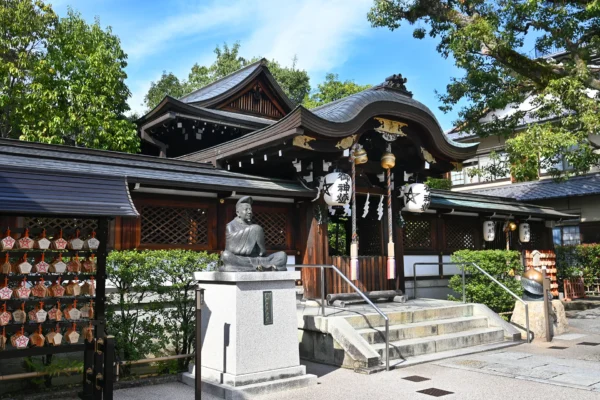
Myoren-ji Temple is one of the head temples of the Nichiren sect, located in Kyoto’s historic Teranouchi district. Founded in the early fifteenth century, it has served as an important center of Nichiren Buddhism for more than six centuries.
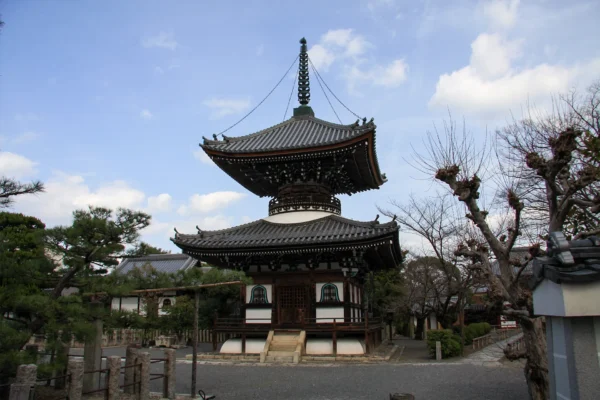
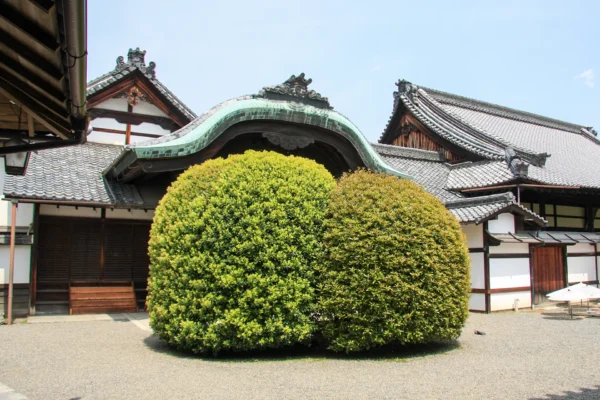
The spacious temple grounds feature a dignified Main Hall, Founder’s Hall, bell tower, and beautifully maintained gardens. Surrounded by seasonal trees and flowers, the temple offers a peaceful atmosphere that contrasts with Kyoto’s more crowded sightseeing areas.
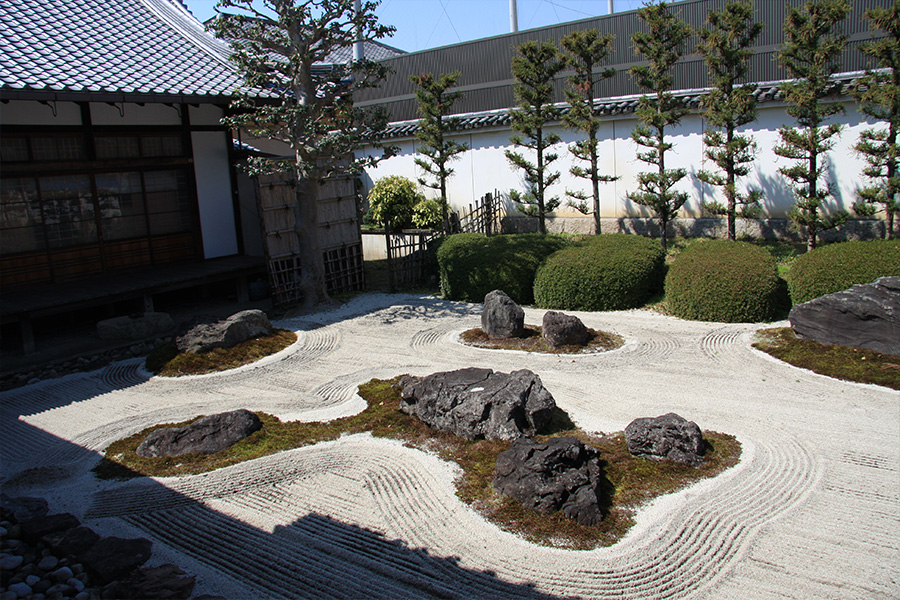
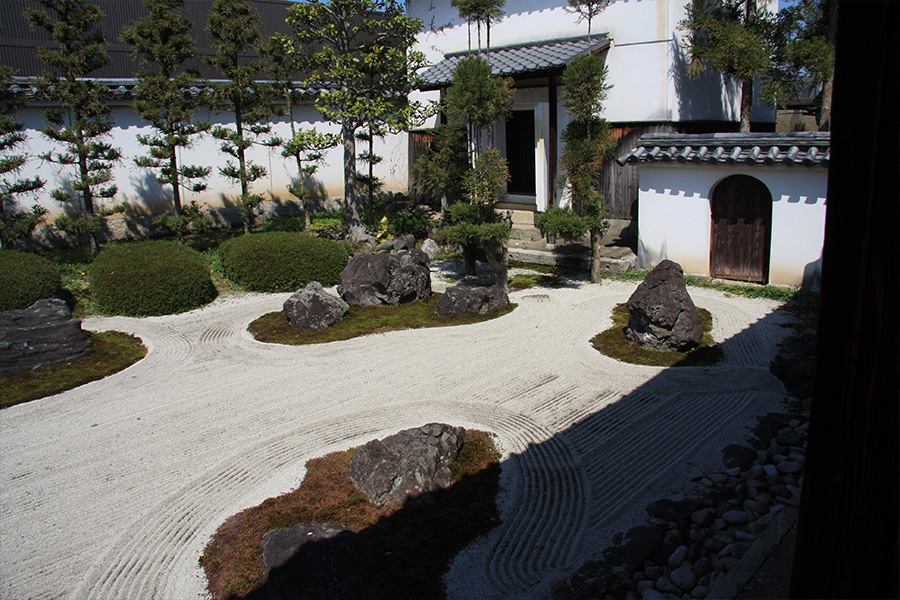
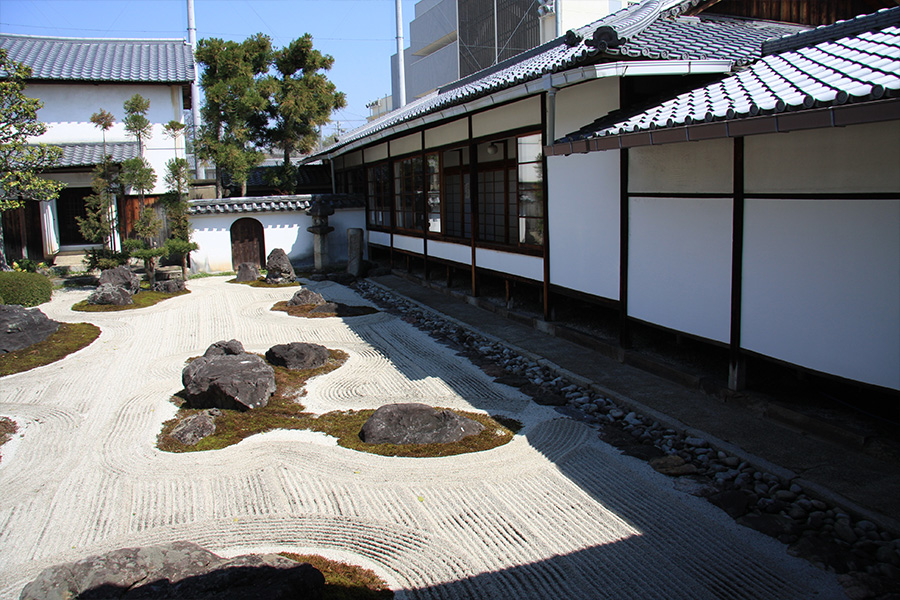
Myoren-ji is also known for its elegant dry landscape garden and its close connection with the historic network of Nichiren temples that characterize the Teranouchi neighborhood.
History
Myoren-ji was founded in 1407 by the Nichiren priest Nikkei, a successor in the lineage of Nichizo.
Originally located elsewhere in Kyoto, the temple was relocated to its present site during Toyotomi Hideyoshi’s reorganization of the city in the late sixteenth century.
Since then, it has flourished as one of the principal temples of the Nichiren sect in Kyoto. Many of the present buildings date from the Edo period and preserve the traditional architectural character of the temple.
Highlights
Head Temple of the Nichiren Sect
Myoren-ji has been an important center of Nichiren Buddhism in Kyoto for more than 600 years.
Main Hall
The dignified Main Hall remains the spiritual heart of the temple and continues to host Buddhist ceremonies throughout the year.
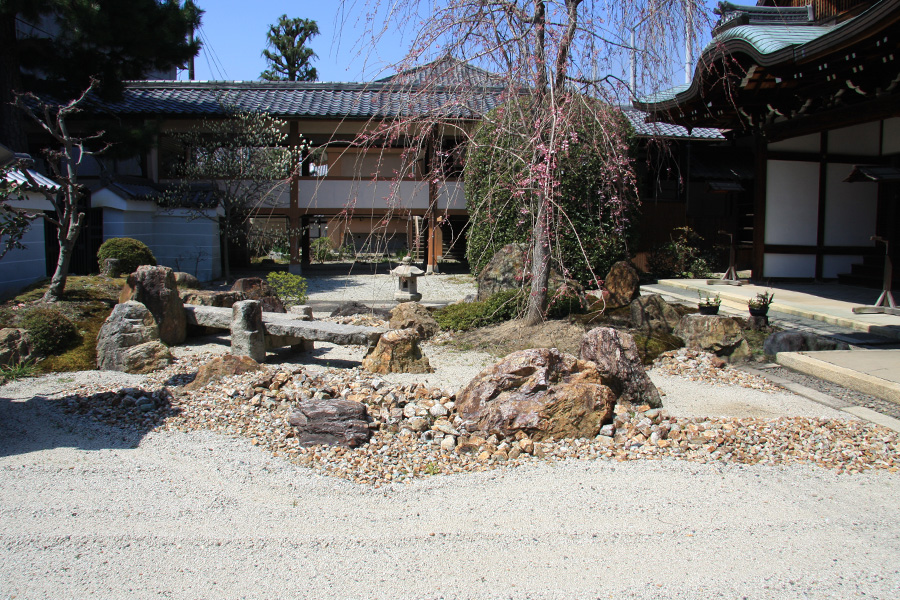
Sixteen Arhats Rock Garden
One of the temple’s highlights is its beautiful dry landscape garden representing the Sixteen Arhats, offering visitors a peaceful place for quiet contemplation.
Seasonal Beauty
Cherry blossoms, fresh greenery, and brilliant autumn leaves make the temple attractive throughout the year.
Teranouchi Temple District
Myoren-ji is surrounded by other historic Nichiren temples, including Myoken-ji, Myokaku-ji, and Honpo-ji, making the area ideal for a leisurely walking tour.
Visit Tips
Be sure to spend time in the Sixteen Arhats rock garden, one of the temple’s most peaceful and beautiful spaces. Since the temple receives fewer visitors than many famous Kyoto attractions, it provides an excellent opportunity to experience a quieter side of the city.
Nearby temples and shrines—including Myoken-ji, Honpo-ji, Myokaku-ji, Seimei Shrine, and Suika Tenmangu Shrine—can easily be explored on foot.
Information
| Opening Hours |
|
|---|---|
| Admission |
|
| Access |
|
| Address | 875 Myorenjimae-cho, Teranouchi-dori Omiya Higashi-iru, Kamigyo-ku, Kyoto, Japan |
| Website | https://myorenji.or.jp/ |
Myoren-ji Temple : Gallery