
Takenobu Inari Shrine is a small but historically significant shrine in central Kyoto. Dedicated to the Inari deity, it has long been worshipped for prosperity, family well-being, and good fortune.
The shrine is especially famous for its enormous sacred hackberry tree, believed to be more than 850 years old. It is also closely associated with two of the most celebrated figures of Japan’s Bakumatsu period—Sakamoto Ryoma and Hijikata Toshizo—making it a fascinating destination for history enthusiasts.
History
According to tradition, Takenobu Inari Shrine was founded in 859, shortly after the establishment of Heian-kyo (Kyoto). It became the guardian shrine of the surrounding community and gradually gained popularity among local merchants.
The shrine later became connected with famous figures from the late Edo period. Local tradition holds that Sakamoto Ryoma and his wife Oryo exchanged marriage vows here, while the shrine’s giant sacred tree is linked to stories about Hijikata Toshizo, vice commander of the Shinsengumi.
Highlights
Ancient Sacred Hackberry Tree
The shrine’s magnificent hackberry tree is estimated to be around 850 years old and is designated as a Natural Monument by Kyoto City. It is one of the oldest trees in central Kyoto.
Hijikata Toshizo Legend
According to local tradition, Hijikata Toshizo secretly met his lover beneath the sacred tree, making the shrine a favorite destination for Shinsengumi fans.
Sakamoto Ryoma and Oryo
The shrine is traditionally believed to be the place where Ryoma and Oryo pledged their marriage, attracting visitors seeking blessings for love and happy relationships.
Main Sanctuary
The Main Sanctuary enshrines Ukanomitama-no-Okami, the deity of prosperity, agriculture, and successful business.
Bakumatsu Heritage
With its historical legends and preserved atmosphere, the shrine offers a unique opportunity to experience Kyoto’s connections to the dramatic final years of the samurai era.
Visit Tips
Although the shrine is compact, it is rich in historical significance. Be sure to spend time admiring the ancient sacred tree and reading the information boards that explain its connections to Ryoma and the Shinsengumi.
Takenobu Inari Shrine is easy to combine with Nijo Castle, Shinsen-en Garden, Mibu-dera Temple, and other Bakumatsu-related sites, making it an excellent stop on a historical walking tour.
Information
| Opening Hours |
|
|---|---|
| Admission |
|
| Access |
|
| Address | 38 Imashinzaike Nishi-cho, Nakagyo-ku, Kyoto, Japan |
| Website | https://takenobuinari.jp/ |
Takenobu Inari Shrine : Gallery


Nearby Attractions
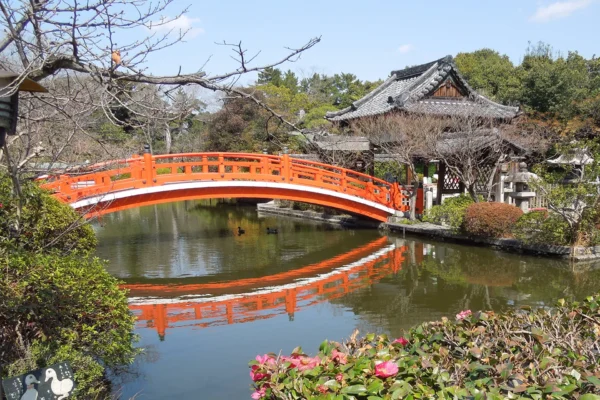
Shinsen-en Garden
371m
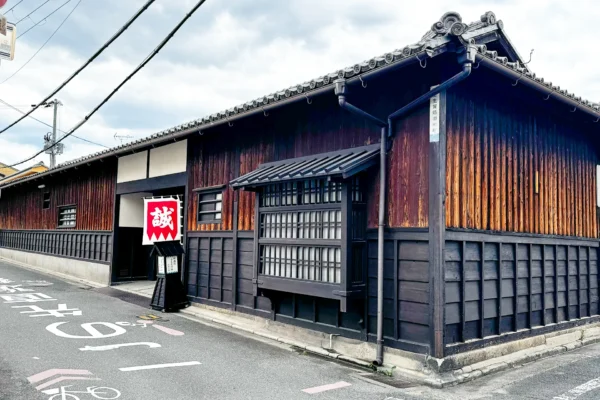
Former Maekawa Residence (Former Mibu Headquarters of the Shinsengumi)
546m

Yagi Family Residence (Former Mibu Headquarters of the Shinsengumi)
593m
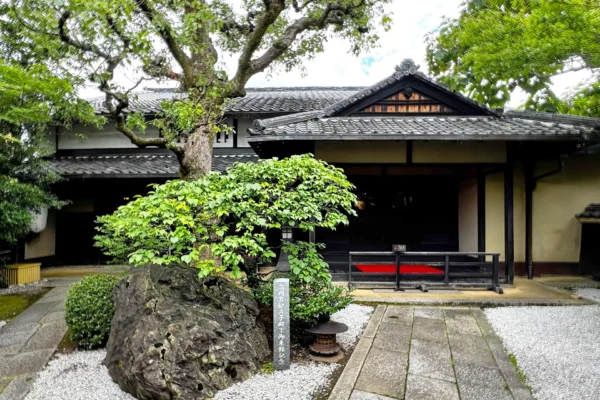
Seishu Netsuke Art Museum
643m

Mibu-dera Temple
668m
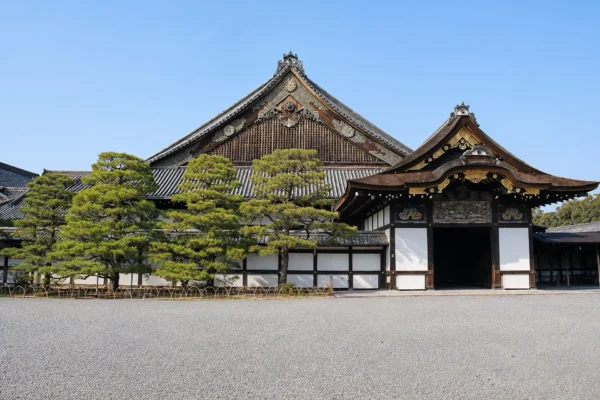
Nijo Castle (Former Detached Palace Nijo Castle)
670m
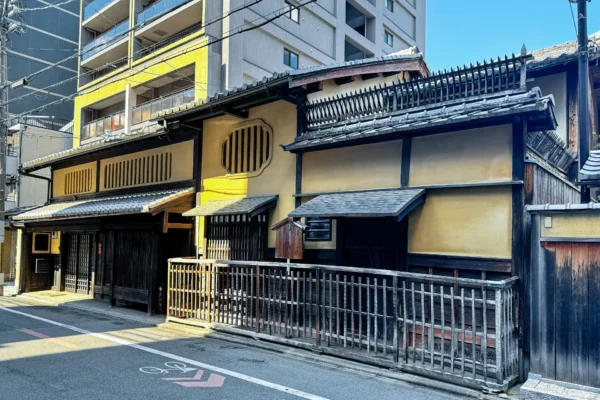
Noguchi Family Residence
764m
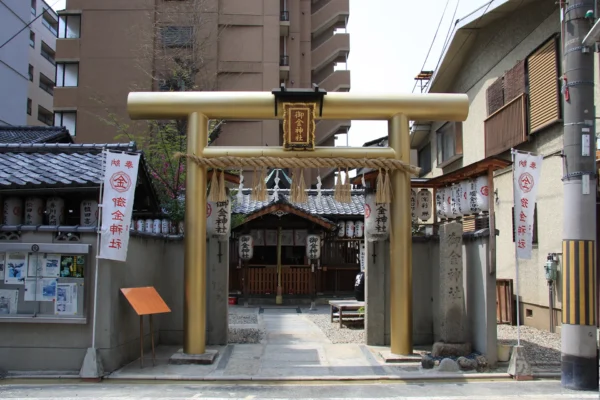
Mikane Shrine
940m