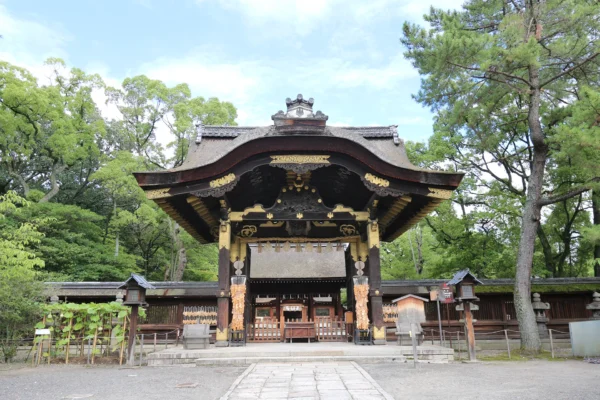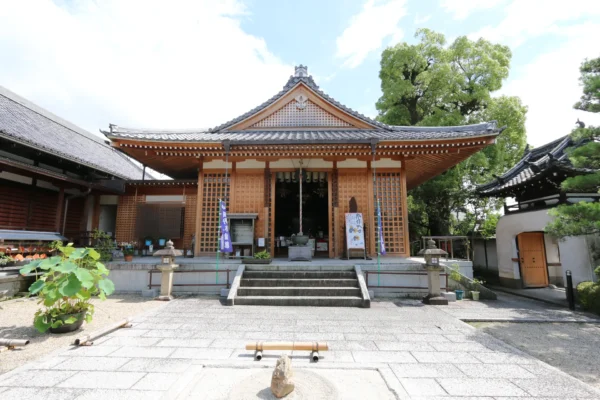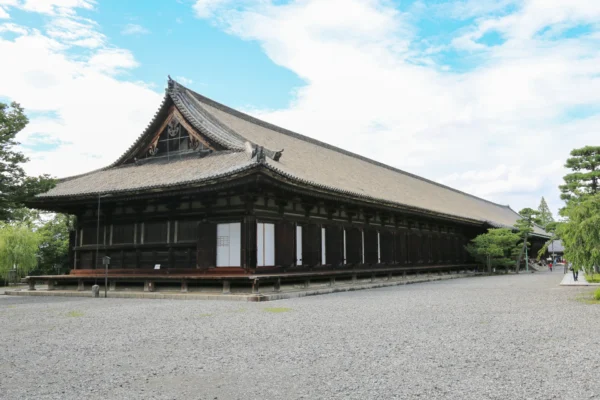
Myoho-in Monzeki is one of Kyoto’s most prestigious Monzeki temples, where members of the Imperial Family traditionally served as head priests. Located beside Sanjusangen-do, the temple offers a peaceful atmosphere and preserves elegant historic buildings that reflect centuries of religious and imperial patronage.
Although less visited than many nearby attractions, Myoho-in rewards visitors with beautiful gardens, refined architecture, and a deeper understanding of Kyoto’s religious history. The temple continues to maintain a close historical connection with neighboring Sanjusangen-do.
History
Myoho-in was founded during the late Heian period as an important temple associated with Enryaku-ji on Mount Hiei. From the Muromachi period onward, it became a Monzeki temple, where imperial princes and other members of the Imperial Family served as abbots, giving the temple exceptional prestige.
The neighboring Rengeo-in, better known today as Sanjusangen-do, was established by Retired Emperor Go-Shirakawa and has long been administered by Myoho-in. Throughout its history, the temple maintained close ties with both the Imperial Court and Japan’s military rulers, making it an important witness to Kyoto’s political, religious, and cultural development.
Highlights
Monzeki Temple
Visit one of Kyoto’s distinguished imperial temples, historically led by members of the Imperial Family.
Main Hall (Fugendo)
Admire an Important Cultural Property that preserves traditional Buddhist architecture.
Historic Shoin and Kuri
Explore elegant Edo-period buildings that reflect the refined culture of a prestigious temple.
Connection with Sanjusangen-do
Learn about Myoho-in’s long-standing role in administering the famous Sanjusangen-do Temple.
Peaceful Garden
Enjoy a tranquil garden that changes beautifully with the seasons.
Visit Tips
Myoho-in is best visited together with nearby Sanjusangen-do. Understanding the historical relationship between the two temples provides valuable insight into Kyoto’s religious and imperial history.
The temple also pairs well with the Kyoto National Museum, Yogen-in, and Chishaku-in, making this one of the city’s richest areas for exploring art, architecture, and Buddhist culture. If you visit during a special opening, you’ll have the opportunity to enter buildings that are normally closed to the public.
Information
| Opening Hours |
|
|---|---|
| Admission |
|
| Access |
|
| Address | 447 Myohoin Maekawacho, Higashiyama Ward, Kyoto, Japan |
Myoho-in Monzeki Temple : Gallery