Otokuni-dera is a historic Shingon Buddhist temple in Nagaokakyo City, best known as Kyoto’s famous “Peony Temple.” Each spring, approximately 2,000 peony plants bloom across the temple grounds, creating one of the region’s most spectacular floral displays.
Beyond its seasonal beauty, the temple has deep historical connections with the ancient capital of Nagaoka-kyo and the tragic story of Prince Sawara, making it an important destination for visitors interested in both Japanese history and nature.
History
According to temple tradition, Otokuni-dera was founded in 770 by the great Chinese monk Ganjin, under the patronage of Emperor Konin. It became one of the principal temples of the Otokuni region before the establishment of Kyoto as Japan’s capital.
The temple is especially remembered as the place where Prince Sawara, the younger brother of Emperor Kanmu, was confined after being implicated in the assassination of Fujiwara no Tanetsugu. Although the prince maintained his innocence, he died while being exiled to Awaji Province. His tragic fate profoundly influenced the political events that ultimately led to the relocation of the capital from Nagaoka-kyo to Heian-kyo (Kyoto).
Today, Otokuni-dera is celebrated both for its rich history and for its magnificent peony gardens.
Highlights
Peony Garden
Admire around 2,000 colorful peonies blooming each spring.
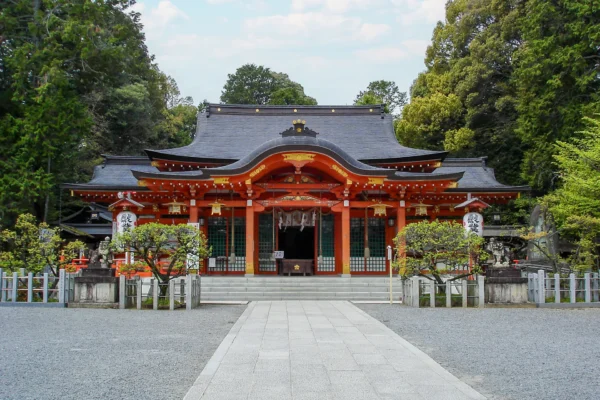
Historic Main Hall
Visit the peaceful main hall surrounded by beautiful seasonal gardens.
Prince Sawara Heritage
Learn about one of the most dramatic episodes in Japan’s early Heian history.
Seasonal Flowers
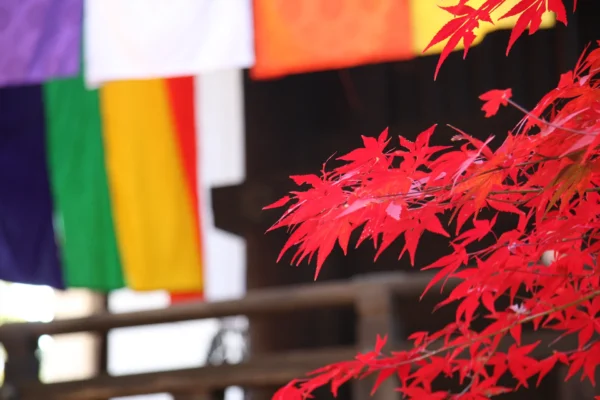
Enjoy peonies, fresh greenery, hydrangeas, and autumn foliage throughout the year.
Nagaoka-kyo History
Explore a temple closely connected with the history of Japan’s former capital.
Visit Tips
The best time to visit is from late April to early May, when the peony garden reaches full bloom. Morning visits offer the most pleasant atmosphere and ideal lighting for photography.
Otokuni-dera combines well with Nagaoka Tenmangu Shrine, Komyo-ji Temple, and the archaeological remains of Nagaoka-kyo, making it an excellent destination for exploring the history of the ancient capital.
Information
| Opening Hours |
|
|---|---|
| Admission |
|
| Access |
|
| Address | 3-14-7 Imazato, Nagaokakyo, Kyoto, Japan |
| Website | https://otokunidera.jimdosite.com/ |
Otokuni-dera Temple : Gallery