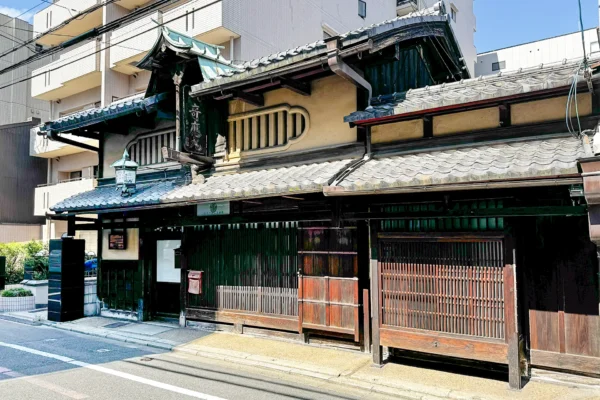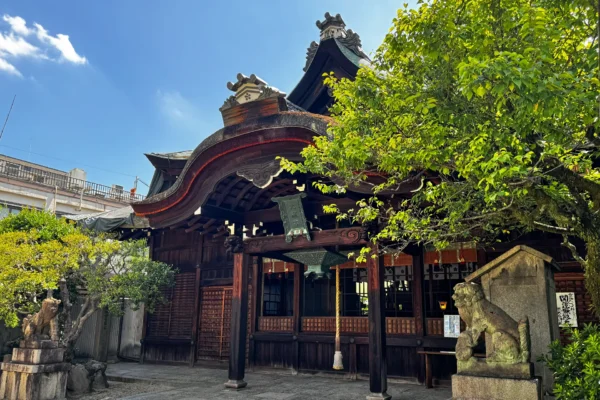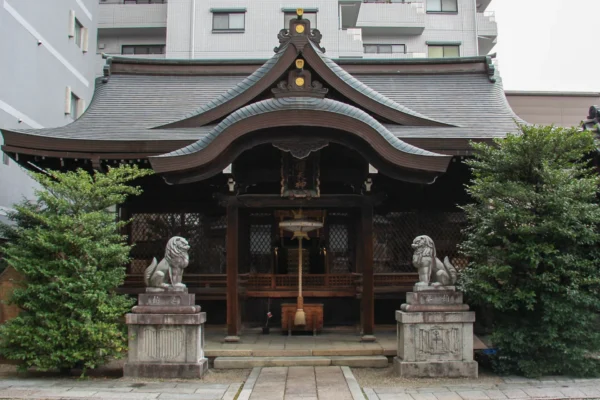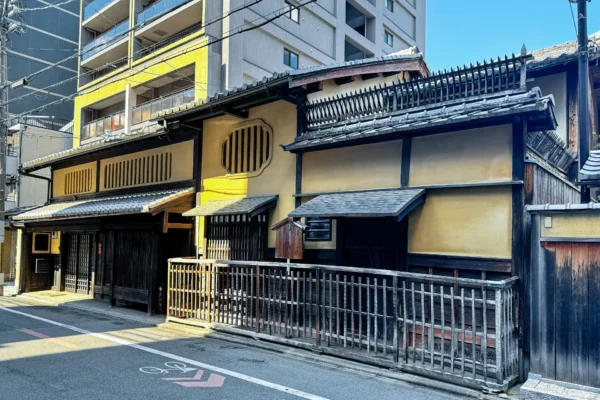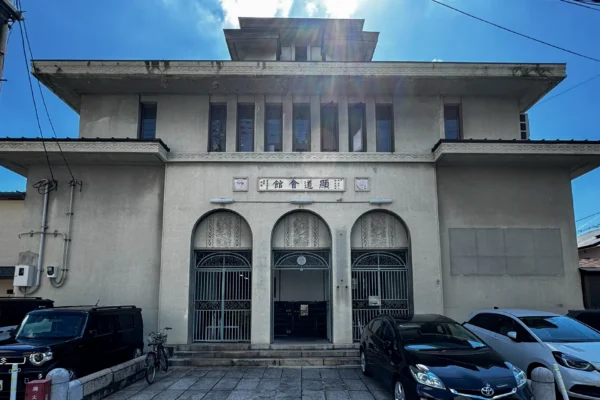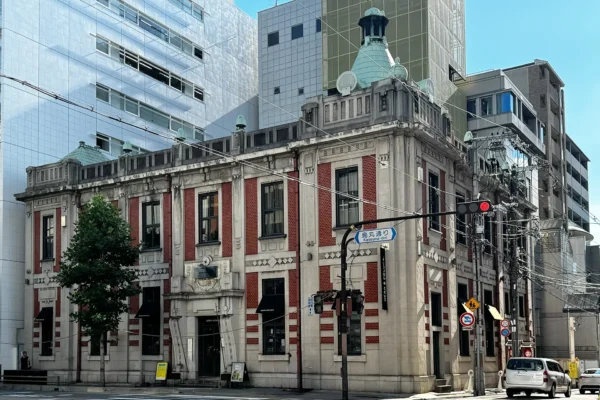
Taishi Yama is one of the floats featured in Kyoto’s Gion Festival Early Festival (Saki Matsuri). Dedicated to Prince Shotoku, one of Japan’s most influential historical figures, the float commemorates the legend of the young prince searching for a sacred cedar tree to obtain timber for the construction of a Buddhist temple.
The sacred figure depicts Prince Shotoku carrying an axe, while a cedar tree symbolizes the legendary tree associated with the story. Taishi Yama has long been revered by carpenters, builders, and woodworkers as a symbol of craftsmanship and protection.
History
Taishi Yama is based on the legend that Prince Shotoku personally entered the mountains in search of fine cedar timber for the construction of a Buddhist temple.
According to tradition, he discovered a sacred cedar tree that later became associated with the founding of Rokkaku-do Temple (Choho-ji) in Kyoto. This story reflects Prince Shotoku’s close connection with both Buddhism and traditional craftsmanship.
The float’s sacred figure portrays the young prince holding an axe, honoring his legendary role as a protector of builders and artisans. Today, Taishi Yama continues to celebrate both Kyoto’s religious heritage and its long tradition of skilled craftsmanship.
Highlights
Dedicated to Prince Shotoku
Taishi Yama is the only Gion Festival float dedicated to the legendary Prince Shotoku.
Sacred Cedar Tree
A cedar tree displayed on the float represents the sacred tree from the prince’s famous legend.
Patron of Craftsmen
The float has long been associated with carpenters, builders, and traditional artisans.
Connection with Rokkaku-do
Its story is closely linked with nearby Rokkaku-do Temple, highlighting Prince Shotoku’s influence on Kyoto’s Buddhist history.
Visit Tips
Taishi Yama is located in the Shijo-Karasuma festival district and is easily visited together with nearby floats such as Naginata Boko, Ayagasa Boko, and Kanko Boko.
Visitors interested in Prince Shotoku should also visit Rokkaku-do Temple, which is within walking distance and preserves traditions connected with the legendary founder. Together, the float and temple offer a deeper understanding of Kyoto’s early Buddhist heritage.
Information
| Access |
|
|---|---|
| Address | Taishi Yama-cho, Shimogyo-ku, Kyoto, Japan |
| Website | http://www.gionmatsuri.or.jp/yamahoko/taishiyama.html |