
The Site of Toyotomi Hideyoshi’s Myokenji Castle is marked by a stone monument in central Kyoto, commemorating the temporary castle that Toyotomi Hideyoshi built as his political headquarters before the construction of Jurakudai.
In 1587, Hideyoshi established a fortified residence within the grounds of Myokenji Temple as he consolidated his control over Japan. From this site, he governed Kyoto, received feudal lords and official envoys, and directed important political affairs during the final stage of Japan’s unification.
Although no original structures remain today, the monument preserves the memory of this important chapter in Kyoto’s late Sengoku-period history.
History
Following his successful Kyushu Campaign in 1587, Toyotomi Hideyoshi strengthened his political authority by constructing a castle within the grounds of Myokenji Temple in Kyoto.
Known as Myokenji Castle, it served as his official residence and administrative headquarters until the completion of the grand Jurakudai Palace in 1588. Many important political meetings and diplomatic receptions took place here, reflecting Hideyoshi’s growing power as Japan’s unifier.
After Jurakudai was completed, the castle was dismantled, and Myokenji Temple was eventually relocated to its present site in northern Kyoto. Today, only the commemorative stone monument marks this historically significant location.
Highlights
Hideyoshi’s First Kyoto Headquarters
Before Jurakudai was completed, this site served as Hideyoshi’s political base in Kyoto.
Center of National Unification
Important political decisions and meetings with feudal lords were held here during Japan’s unification.
Historic Monument
The stone marker commemorates a castle that played a key role in the late Sengoku period.
Link to Jurakudai
Myokenji Castle represents the transition to Hideyoshi’s later grand palace, Jurakudai.
Hidden Piece of Kyoto History
Standing quietly in the modern city, the monument reveals an often-overlooked chapter of Kyoto’s past.
Visit Tips
Although no castle structures survive, this site can easily be combined with visits to other nearby historical landmarks associated with Kyoto’s medieval and early modern history.
Nearby attractions such as Nijo Castle, Shinsen-en Garden, the Site of the Kan’in Imperial Palace, Honno-ji Temple, and the Former Kyoto Prefectural Government Building offer a deeper understanding of Kyoto’s historical development.
Information
| Access |
|
|---|---|
| Address | 376 Furushiro-cho, Nakagyo-ku, Kyoto 604-0045, Japan |
Nearby Attractions
Distances shown are straight-line distances from your current location. Actual walking routes and travel distances may vary.
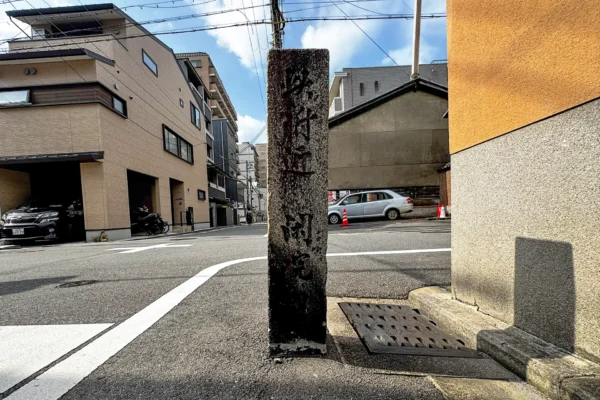
Site of the Kan'in Imperial Palace
About 10m
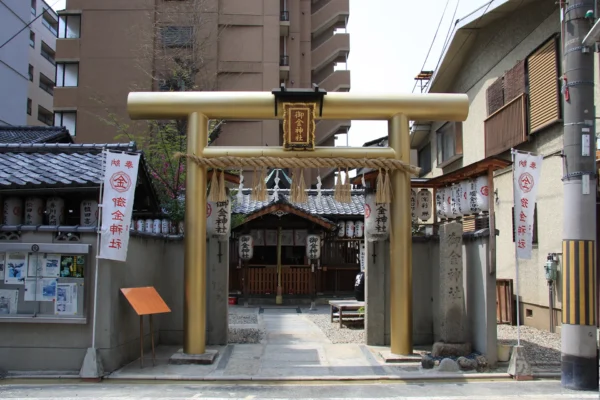
Mikane Shrine
About 102m
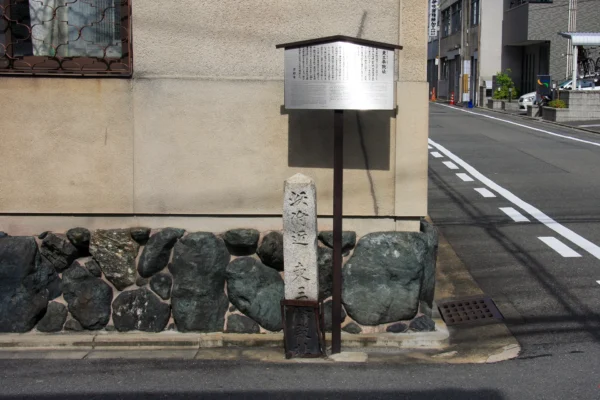
Site of the Tosanjo-in Palace
About 174m
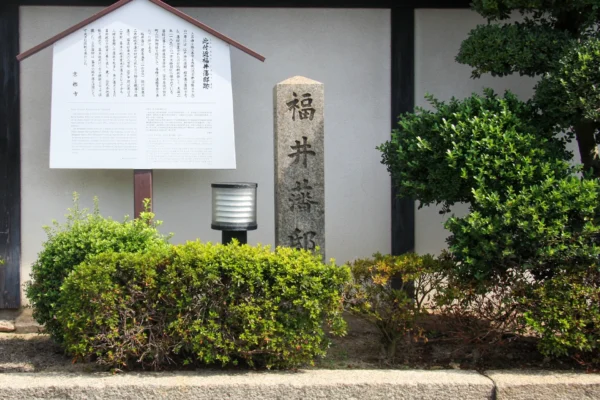
Site of the Fukui Domain Residence
About 215m
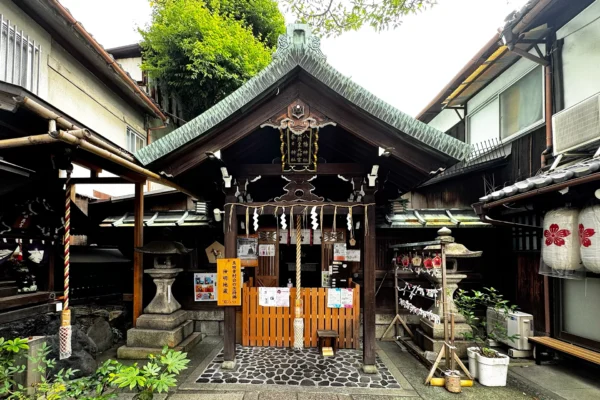
Takamatsu Shinmei Shrine
About 299m
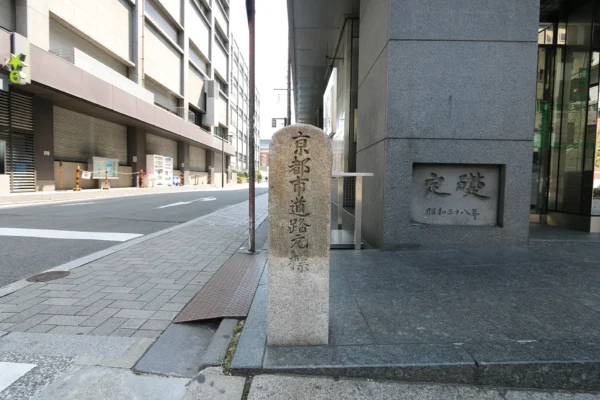
Kyoto City Road Origin Marker
About 392m
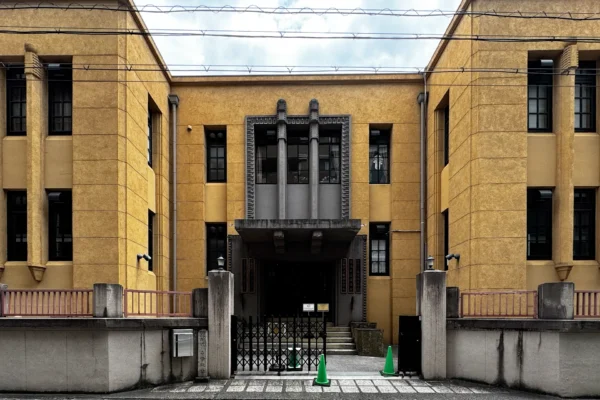
Former Ryuchi Elementary School (Kyoto International Manga Museum)
About 492m

Humitsubaki Building
About 594m
Map
Share a Travel Note
Share useful details from your visit, such as crowd levels, the best time to go, and seasonal conditions.