
The Site of the Kan’in Imperial Palace is a historic stone monument in central Kyoto marking the former location of Kan’in, an important imperial residence during the Heian period.
Originally built as a residence for members of the imperial family, Kan’in later served repeatedly as a temporary imperial palace whenever the main Imperial Palace was destroyed by fire or undergoing reconstruction. For many years, emperors lived and governed from this site, making it one of the most significant locations in Kyoto’s imperial history.
Today, although the palace buildings have disappeared, the stone monument commemorates this important chapter in the history of Japan’s ancient capital.
History
Kan’in was established during the early years of Heian-kyo, following the transfer of the capital to Kyoto in 794. It was originally built as a residence for imperial princes.
From the middle to late Heian period, the complex frequently became a satodairi (temporary imperial palace) whenever the official palace could not be used due to fire or reconstruction. Several emperors, including Emperor Toba, Emperor Sutoku, and Emperor Konoe, are known to have resided here while conducting state affairs.
The palace gradually declined after the Kamakura period and eventually disappeared. Today, a stone monument marks the site, preserving the memory of one of Kyoto’s most important imperial residences.
Highlights
Historic Temporary Imperial Palace
Kan’in served as an imperial residence for several emperors during the Heian period.
Center of Court Politics
Important ceremonies and government affairs were conducted here when it functioned as the Imperial Palace.
Historic Stone Monument
Although no original buildings remain, the monument and explanatory plaque reveal the significance of the site.
Legacy of Heian-kyo
The surrounding street layout still reflects the ancient city plan of Kyoto, allowing visitors to imagine the former capital.
Connection to Kyoto’s Imperial History
The site provides valuable insight into the evolution of Kyoto’s imperial residences before the establishment of the present Kyoto Imperial Palace.
Visit Tips
The monument stands in a quiet urban neighborhood, so visitors are encouraged to respect the surrounding residential area.
Nearby attractions include Nijo Castle, Shinsen-en Garden, the Kyoto International Manga Museum, the Former Main Building of the Kyoto Prefectural Government Office, and the Kyoto Gyoen National Garden, making it easy to combine with a historical walking tour.
Information
| Access |
|
|---|---|
| Address | 369 Furushiro-cho, Nakagyo-ku, Kyoto 604-0045, Japan |
Nearby Attractions
Distances shown are straight-line distances from your current location. Actual walking routes and travel distances may vary.
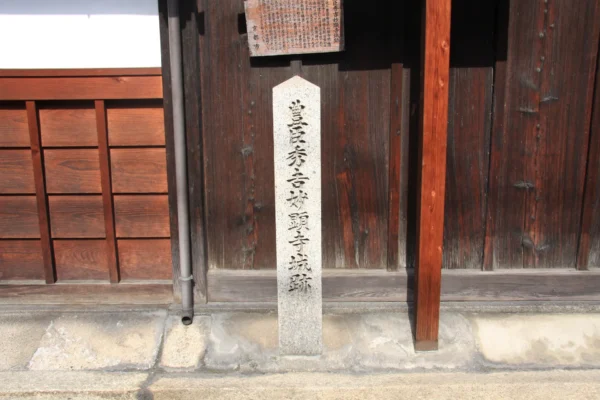
Site of Toyotomi Hideyoshi's Myokenji Castle
About 10m
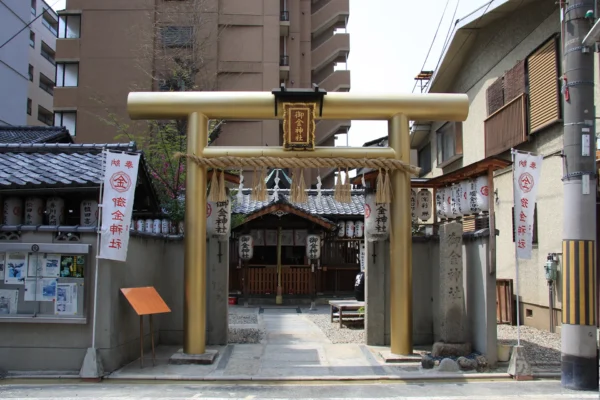
Mikane Shrine
About 92m
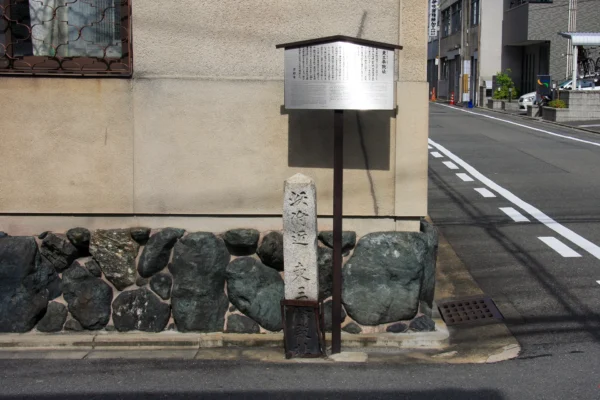
Site of the Tosanjo-in Palace
About 166m
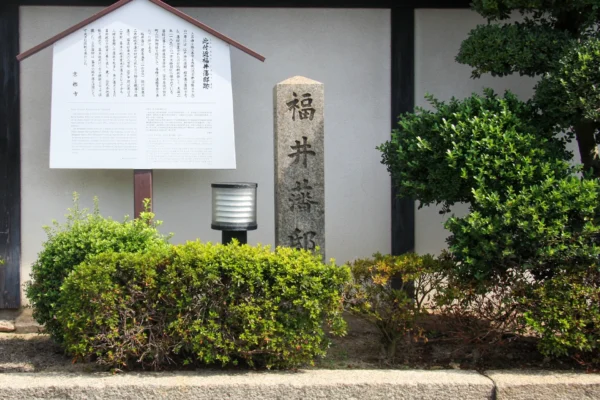
Site of the Fukui Domain Residence
About 224m
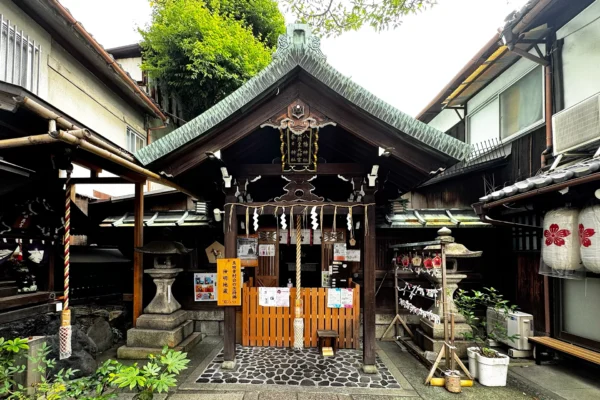
Takamatsu Shinmei Shrine
About 290m
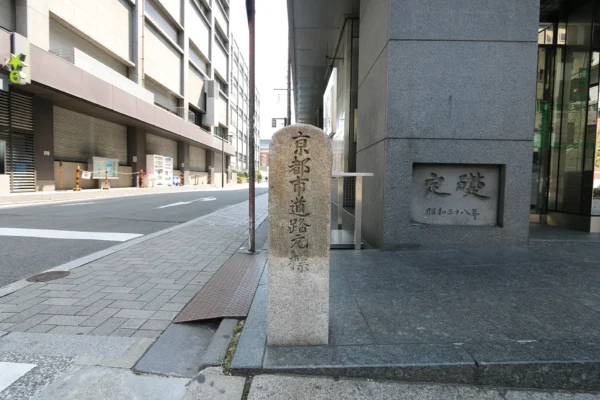
Kyoto City Road Origin Marker
About 387m
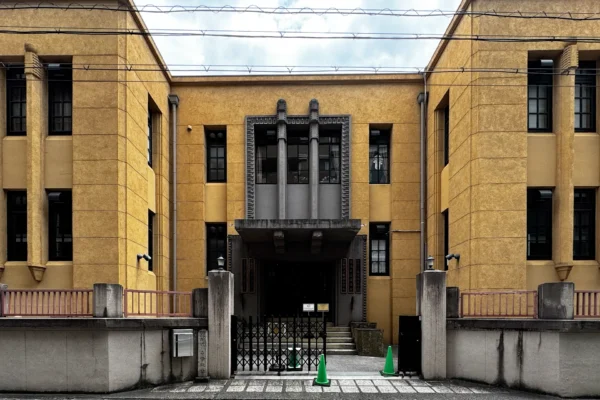
Former Ryuchi Elementary School (Kyoto International Manga Museum)
About 484m

Humitsubaki Building
About 584m
Map
Share a Travel Note
Share useful details from your visit, such as crowd levels, the best time to go, and seasonal conditions.