
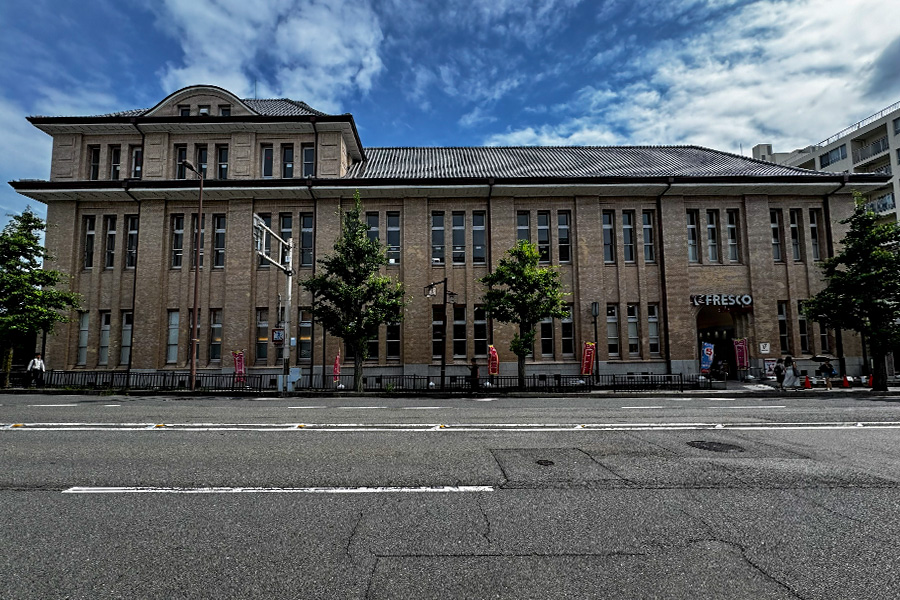
The Former Kyoto Central Telephone Office, Kamigyo Branch, is one of Kyoto’s finest surviving telecommunications buildings from the Taisho era. Completed in 1924, it was designed by Tetsuro Yoshida, one of Japan’s most influential modern architects.
Its elegant façade, finished with reddish scratch tiles and carefully balanced proportions, reflects the architectural style of the Ministry of Communications during the early twentieth century. The building illustrates the transition from traditional historicism toward the modern architectural language that Yoshida would later help define.
Today, it remains an important landmark for visitors interested in Kyoto’s modern architectural heritage.
History
As telephone services rapidly expanded throughout Japan during the Taisho period, Kyoto required new facilities to support its growing communications network.
The Kamigyo Branch was completed in 1924 under the direction of Tetsuro Yoshida, then an architect with the Ministry of Communications. Yoshida would later become internationally recognized for masterpieces such as the Tokyo Central Post Office and numerous postal buildings throughout Japan.
The Kamigyo Branch represents one of his important early works and demonstrates the evolution of Japanese public architecture during the 1920s.
Highlights
Designed by Tetsuro Yoshida
This early work by Tetsuro Yoshida showcases the architectural ideas that would later establish him as one of Japan’s leading modern architects.
Scratch-Tile Exterior
The reddish scratch-tile walls have weathered beautifully over the past century, creating a distinctive appearance typical of Taisho-era public architecture.
Symmetrical Façade
The carefully balanced composition, evenly spaced windows, and restrained decoration give the building an elegant and dignified character.
Historic Telephone Office
The building represents Japan’s rapid modernization during the early twentieth century, when telephone networks became an essential part of everyday life.
Landmark of Kyoto’s Modern Architecture
Together with the Former Kyoto Prefectural Office Main Building, the Museum of Kyoto (Former Bank of Japan Kyoto Branch), the Kyoto Orthodox Church, and the Former Kyoto Imperial University Library, it forms part of Kyoto’s outstanding collection of modern historic architecture.
Visit Tips
Although the interior is not generally open to visitors, the exterior offers many architectural details worth examining, including the scratch-tile finish, stone trim, and carefully proportioned façade.
The building can easily be combined with visits to Seimei Shrine, the Former Kyoto Prefectural Office Main Building, Goo Shrine, and Kyoto Gyoen National Garden for a walking tour focused on Kyoto’s early modern architecture.
Information
| Opening Hours |
|
|---|---|
| Admission |
|
| Access |
|
| Address | Nakasuji-dori Marutamachi-sagaru, Kamigyo-ku, Kyoto, Japan |
Former Kyoto Central Telephone Office, Kamigyo Branch : Gallery


Nearby Attractions
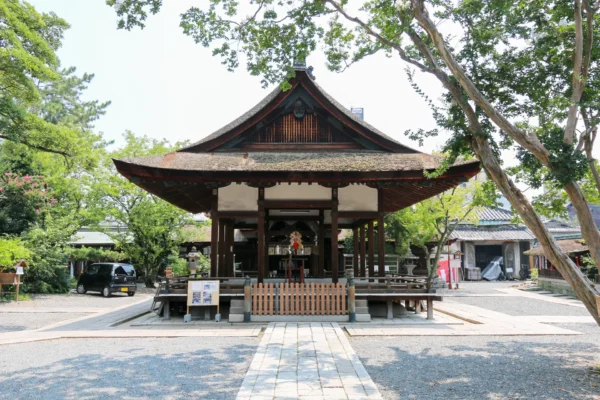
Shimogoryo Shrine
290m

Former Residence of Joseph Hardy Neesima
325m
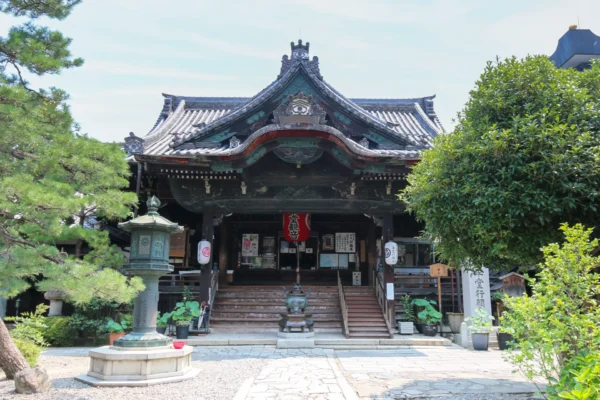
Gyogan-ji Temple (Kodo)
339m
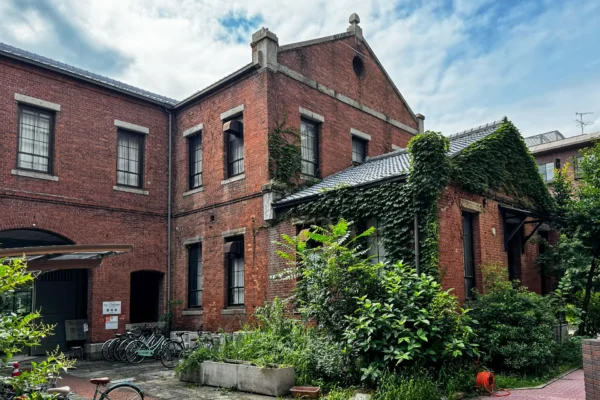
Center for Southeast Asian Studies, Kyoto University (Former Kyoto Imperial University Library)
409m
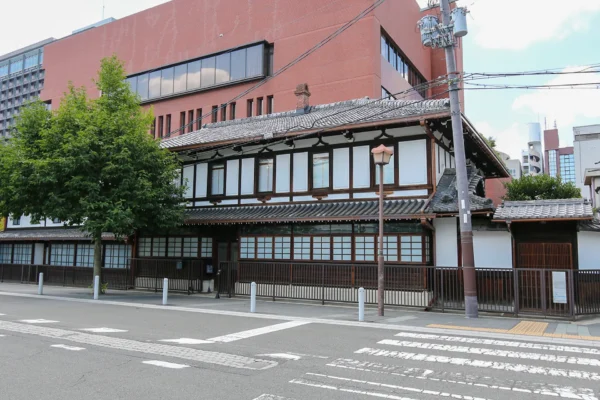
Shimadzu Foundation Memorial Hall
469m
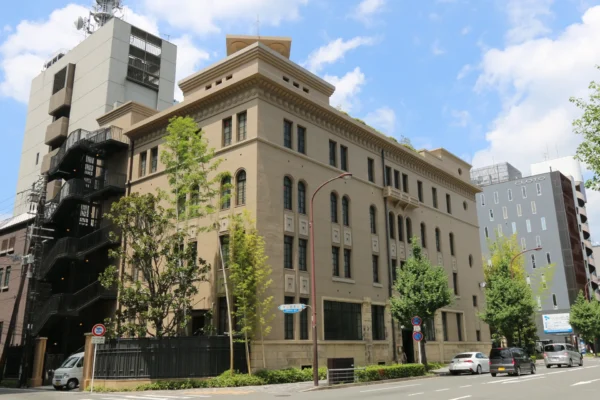
Shimadzu Corporation Kawaramachi Annex
564m
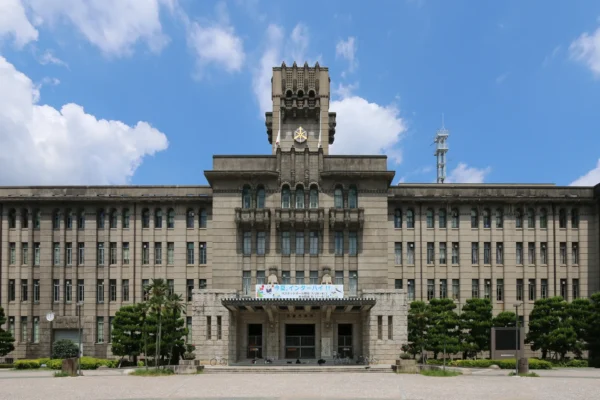
Kyoto City Hall Main Building
662m
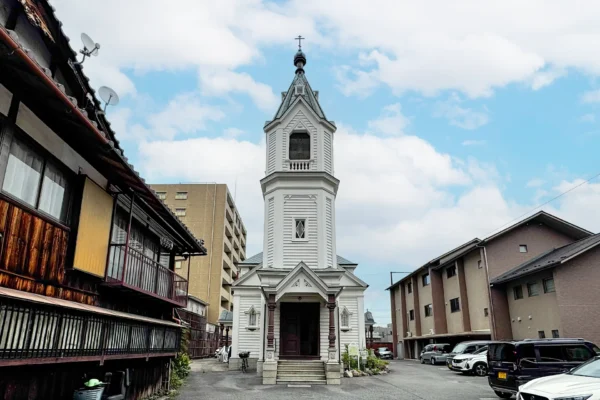
Kyoto Orthodox Church (Cathedral of the Annunciation)
714m