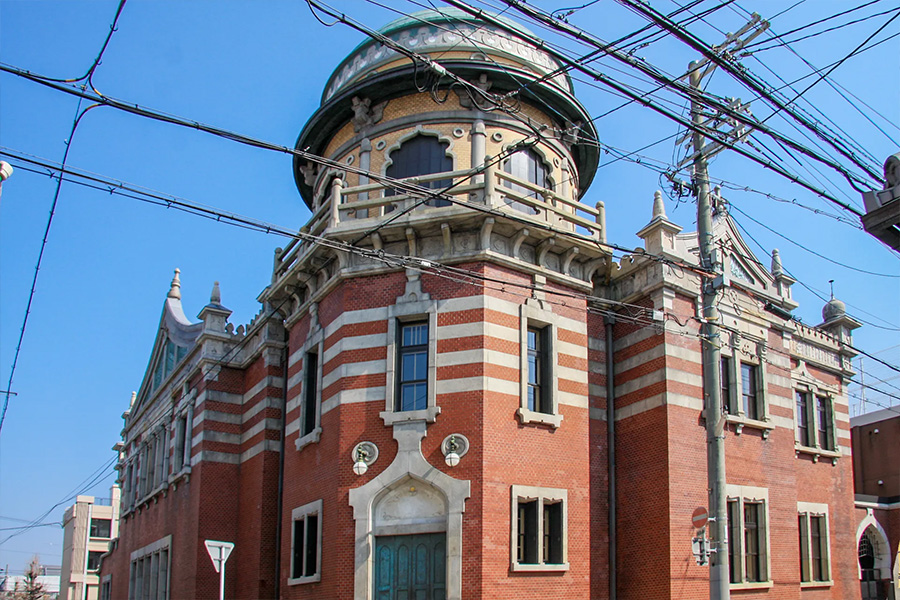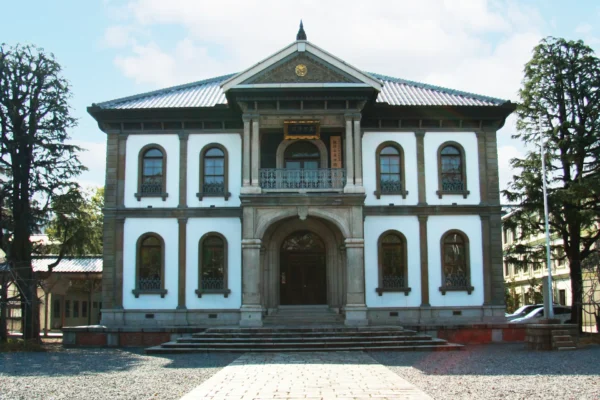
Seidoin Hall is a remarkable early twentieth-century building located within the grounds of Nishi Hongan-ji Temple. Completed in 1912, it was designed by the celebrated architect Chuta Ito, one of Japan’s pioneers of modern architectural design and architectural history.
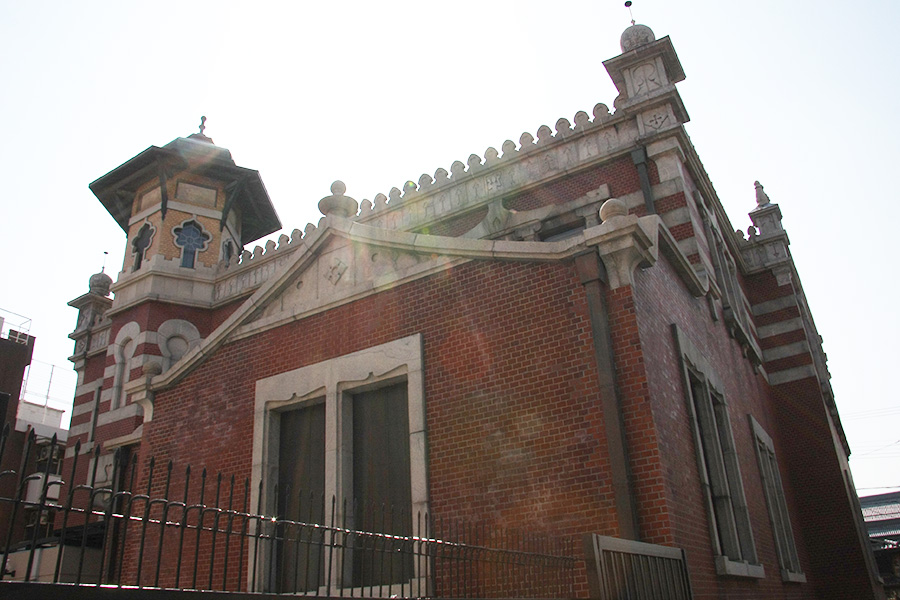
Blending traditional Buddhist architecture with Western and Asian influences, the building stands out for its red-brick walls, stone detailing, and imaginative decorative motifs. It offers visitors a fascinating contrast to the centuries-old wooden structures that surround it.
History
Seidoin Hall was completed in 1912 as a facility supporting the educational and religious activities of Nishi Hongan-ji Temple.
Its architect, Chuta Ito, was one of Japan’s most influential architects and architectural historians. After studying historic buildings across Asia and Europe, he developed a highly original architectural style that combined Japanese tradition with international influences.
Seidoin is regarded as one of his important early works and remains an outstanding example of Japan’s transition from traditional to modern religious architecture.
Highlights
Designed by Chuta Ito
The hall showcases the creativity of Chuta Ito, whose unique architectural style blended Japanese, Chinese, Indian, and Western influences.
Red-Brick Exterior
The striking combination of red brick and white stone creates an elegant façade rarely seen within the grounds of a traditional Buddhist temple.
Rich Architectural Details
Decorative windows, carved stonework, and intricate roof details reveal Ito’s imaginative interpretation of historic architectural traditions.
Contrast with Historic Temple Buildings
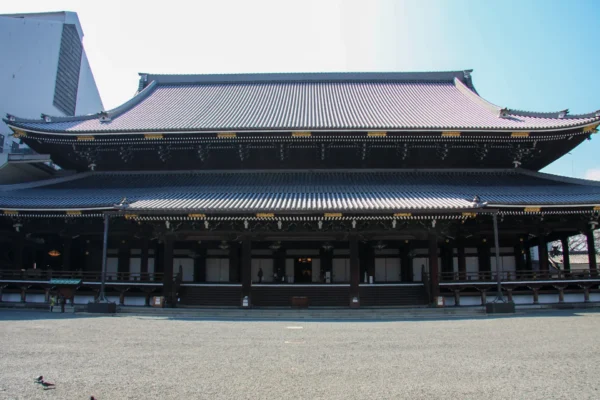
Surrounded by National Treasure wooden buildings, Seidoin provides a unique opportunity to compare traditional temple architecture with early modern design.
Landmark of Kyoto’s Modern Architecture
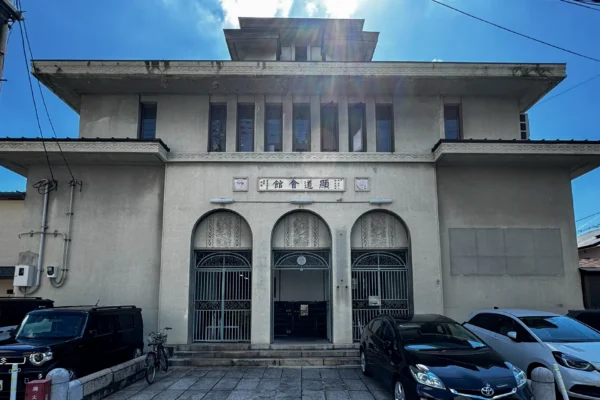
Together with the Former Kyoto Prefectural Office Main Building, Kyoto City Hall, ART COMPLEX 1928, and the Kyoto Orthodox Church, Seidoin is one of Kyoto’s outstanding examples of modern architecture.
Visit Tips
Combine your visit with the historic buildings of Nishi Hongan-ji to appreciate the evolution of Japanese religious architecture from the Momoyama period to the early twentieth century.
Although the interior is generally closed to visitors, the exterior offers plenty of architectural details to admire. Nearby attractions such as Ryukoku Museum, Kosho-ji Temple, and Shosei-en Garden make this an excellent stop on a cultural walking tour.
Information
| Opening Hours |
|
|---|---|
| Admission |
|
| Access |
|
| Address | Higashinakasuji-dori Shomen-sagaru, Shimogyo-ku, Kyoto, Japan |
| Website | https://miraizaidan.hongwanji.kyoto/ |
Seidoin Hall, Hongan-ji Temple : Gallery