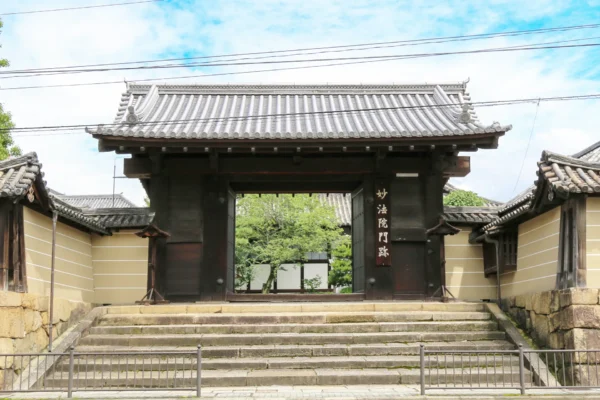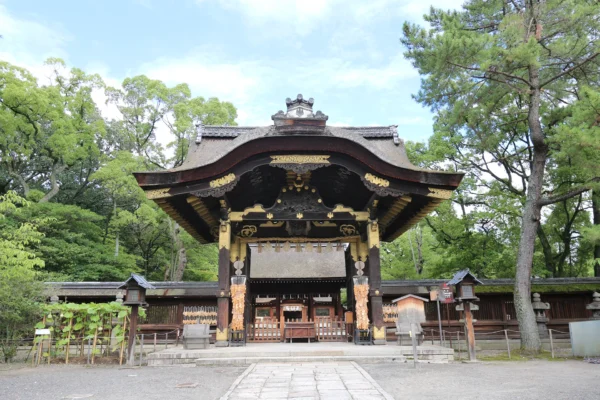
Imakumano Shrine, officially known as Ima Hie Jingu, is a historic Shinto shrine founded by Retired Emperor Go-Shirakawa during the late Heian period. Located near Sanjusangen-do and Chishaku-in Temple, it offers a peaceful setting while preserving a deep connection with Kyoto’s imperial history.
The shrine enshrines deities originally invited from Hiyoshi Taisha near Mount Hiei and is best known for its sacred monkeys, regarded as divine messengers. These monkeys symbolize protection, good fortune, and the removal of evil, making the shrine a popular place to pray for success and good luck.
History
Imakumano Shrine was founded in 1160 when Retired Emperor Go-Shirakawa established it as the guardian shrine of his nearby Hojuji Palace. The shrine’s name, “Ima Hie”, literally means “New Hie Shrine,” reflecting its origin as a new branch of the famous Hiyoshi Taisha in present-day Shiga Prefecture.
Although much of the original shrine was destroyed during the Onin War, it was later restored with the support of leaders including Toyotomi Hideyoshi and Tokugawa Ieyasu. Today, it remains an important reminder of Kyoto’s imperial heritage and the religious traditions surrounding the former Hojuji Palace.
Highlights
Sacred Monkeys (Masaru)
Discover the shrine’s symbolic monkeys, representing protection, victory, and the removal of misfortune.
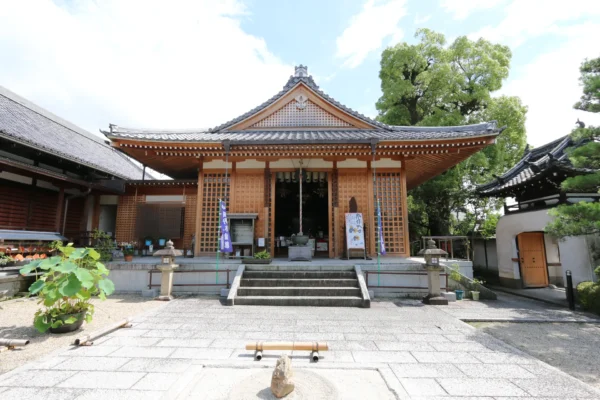
Main Hall
Visit the historic Edo-period shrine building, designated as a Cultural Property by Kyoto City.
Shrine of Emperor Go-Shirakawa
Explore the guardian shrine established for the imperial Hojuji Palace.
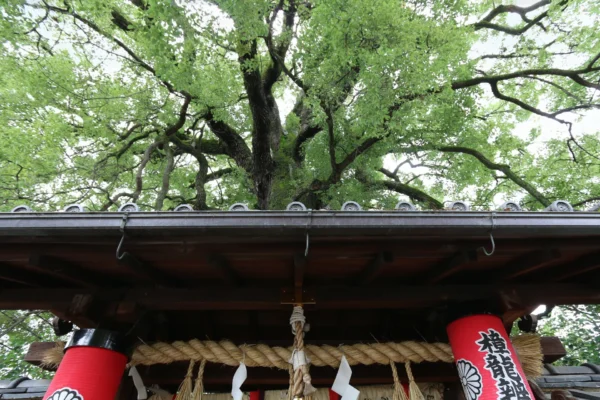
Peaceful Shrine Grounds
Enjoy a quiet atmosphere surrounded by trees in the heart of eastern Kyoto.
Seasonal Beauty
Experience fresh greenery in spring and colorful autumn leaves throughout the shrine grounds.
Visit Tips
Take time to look for the shrine’s sacred monkey statues and charms. The word “Masaru” is associated with both “driving away evil” and “achieving victory,” making the shrine especially popular with students, athletes, and businesspeople.
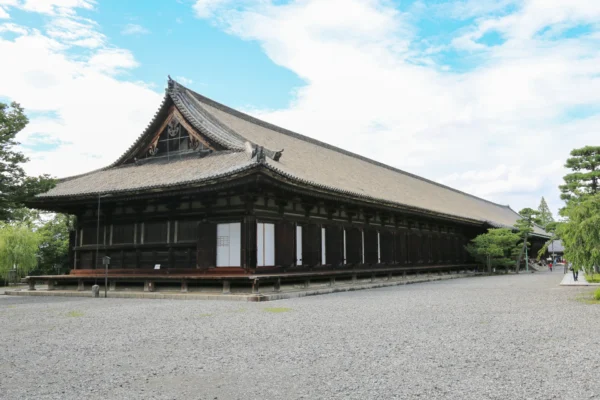
Imakumano Shrine is easily combined with nearby Sanjusangen-do, Myoho-in, Chishaku-in, and the Kyoto National Museum, offering an excellent walking route through one of Kyoto’s richest historical districts.
Information
| Opening Hours |
|
|---|---|
| Admission |
|
| Access |
|
| Address | 451-1 Myohoin Maekawacho, Higashiyama Ward, Kyoto, Japan |
Imakumano Shrine : Gallery