Mimizuka, commonly known as the Ear Mound, is one of Kyoto’s most historically significant and thought-provoking monuments. Located near Toyokuni Shrine and Hoko-ji Temple, it was built to commemorate those who died during Toyotomi Hideyoshi’s invasions of Korea (1592–1598). Today, it serves as a solemn memorial and a reminder of the human cost of war.
Unlike Kyoto’s temples and gardens, Mimizuka is not a sightseeing attraction in the usual sense. Instead, it is a quiet place for reflection where visitors can contemplate a difficult chapter in the shared history of Japan and the Korean Peninsula.
History
During the Japanese invasions of Korea in the late sixteenth century, it became customary for soldiers to present the noses or ears of enemy combatants as proof of military achievements when transporting entire heads back to Japan was impractical. In 1597, these remains were gathered and buried beneath the mound that survives today.
Historical documents often refer to the site as Hanazuka (“Nose Mound”), reflecting the fact that many of the remains were noses rather than ears. Over time, however, the name Mimizuka (“Ear Mound”) became more widely used. Today, the monument stands as a memorial to all those who lost their lives during the conflict and as a place that encourages reflection, reconciliation, and peace.
Highlights
Memorial to the Korean Campaigns
Visit one of Japan’s most important historical sites connected with the invasions of Korea.
Legacy of Toyotomi Hideyoshi
Learn about a lesser-known aspect of Hideyoshi’s rule and Japan’s overseas military campaigns.
Place of Reflection
Experience a quiet memorial dedicated to remembering the victims of war.
Stone Memorial Mound
See the historic burial mound topped by a traditional five-ring pagoda.
Shared History
Gain insight into a site that remains significant in both Japanese and Korean historical memory.
Visit Tips
Mimizuka is best approached as a place of remembrance rather than a tourist attraction. Visitors are encouraged to remain quiet and respectful while reflecting on the historical events associated with the site.
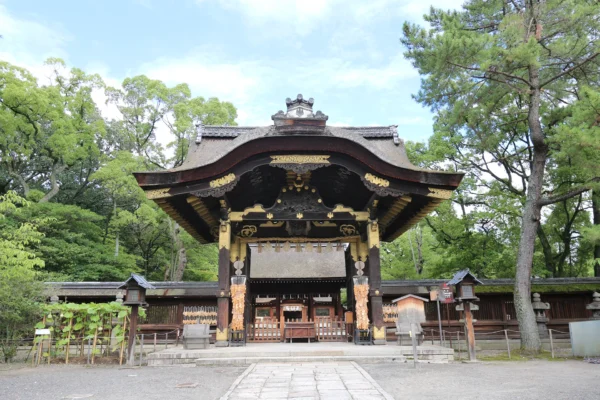
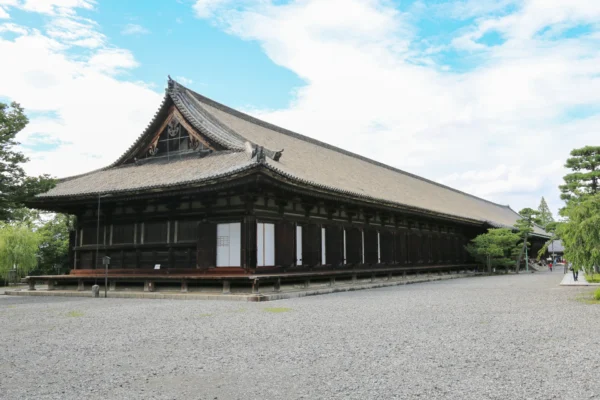
The memorial is within walking distance of Toyokuni Shrine, Hoko-ji Temple, Sanjusangen-do, and the Kyoto National Museum. Visiting these sites together provides a broader understanding of Kyoto during the Momoyama period and the complex legacy of Toyotomi Hideyoshi.
Information
| Opening Hours |
|
|---|---|
| Admission |
|
| Access |
|
| Address | Chayacho, Higashiyama Ward, Kyoto, Japan |
Mimizuka (Ear Mound) : Gallery