
Honzen-ji Temple is the head temple of the Jinmon branch of the Hokke Sect, located just east of Kyoto Gyoen National Garden. Although less well known than Kyoto’s famous Zen temples, it has played an important role in preserving the traditions of Nichiren Buddhism for centuries.
Situated along historic Teramachi Street, the temple offers a peaceful atmosphere and provides visitors with an opportunity to explore one of Kyoto’s lesser-known but historically significant religious sites.
History
Honzen-ji traces its origins to the Muromachi period and developed into the principal temple of the Jinmon branch of the Hokke Sect. It has long been one of the Rakuchu Hokke Twenty-one Temples, a group of important Nichiren Buddhist temples in central Kyoto.
Like many Kyoto temples, Honzen-ji suffered damage during periods of civil conflict, including the Onin War and the Tenmon Hokke Disturbance. Despite these hardships, it was rebuilt and continues to serve as the headquarters of its Buddhist tradition.
Highlights
Main Hall
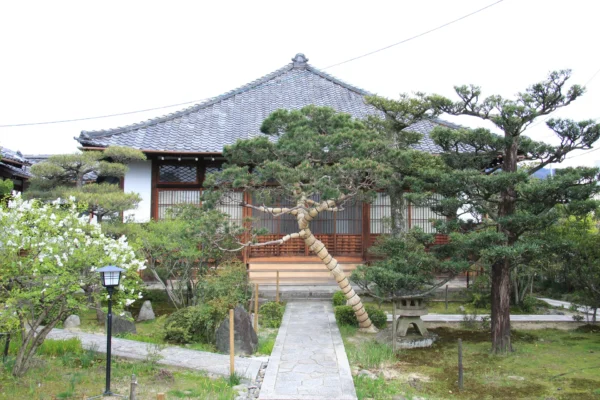
The temple’s Main Hall serves as the center of worship for followers of the Hokke Sect. Its quiet atmosphere offers a peaceful place for prayer and reflection.
Head Temple of the Jinmon Branch
Honzen-ji is the principal temple of the Jinmon branch of the Hokke Sect, playing an important role in preserving centuries-old Buddhist traditions.
One of the Rakuchu Hokke Twenty-one Temples
The temple belongs to Kyoto’s historic group of twenty-one Hokke temples, reflecting the city’s rich heritage of Nichiren Buddhism.
Peaceful Temple Grounds
Unlike Kyoto’s major tourist destinations, Honzen-ji remains quiet throughout the year, making it an ideal place to appreciate the city’s spiritual atmosphere.
Historic Teramachi Street
Located on Teramachi Street, the temple forms part of one of Kyoto’s most historic temple districts, where numerous religious institutions have stood since the late 16th century.
Visit Tips
Honzen-ji is best visited together with nearby temples such as Shojoke-in, Gyogan-ji (Kodo), and Rozan-ji, as well as Kyoto Gyoen National Garden.
Because the temple receives relatively few visitors, it is a wonderful destination for travelers looking to discover a quieter and more authentic side of Kyoto.
Information
| Opening Hours |
|
|---|---|
| Admission |
|
| Access |
|
| Address | 397 Kitanobe-cho, Teramachi-dori Hirokoji-agaru, Kamigyo-ku, Kyoto, Japan |
Honzen-ji Temple : Gallery


Nearby Attractions

Shojoke-in Temple
127m

Nashinoki Shrine
175m

Rozan-ji Temple
198m
Jorin-ji Temple
564m

Kyoto Gyoen National Garden
599m
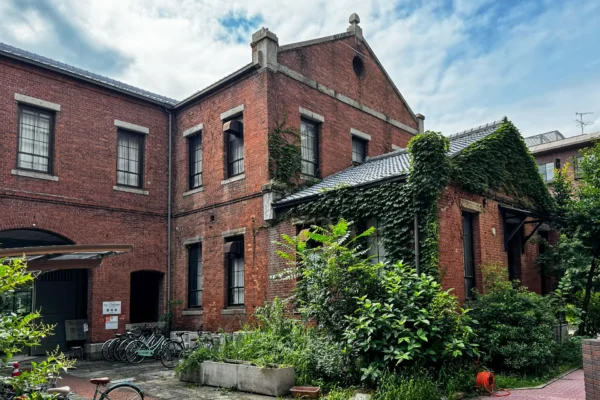
Center for Southeast Asian Studies, Kyoto University (Former Kyoto Imperial University Library)
662m

Amherst House (Doshisha University)
672m
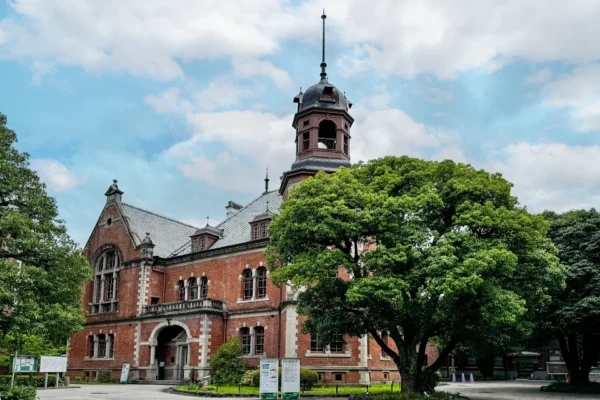
Clark Memorial Hall (Doshisha University)
743m