Jikishi-an Temple is a peaceful Zen temple located in the quiet Sagano area of Arashiyama. Surrounded by seasonal gardens, it offers visitors a relaxing atmosphere away from the crowds of Kyoto’s more famous attractions.
The temple is especially known for its “Omoidegusa Notebook,” where visitors are invited to write personal thoughts, memories, and messages. This unique tradition has made Jikishi-an a deeply meaningful place for many travelers.
History
Jikishi-an is believed to have originated from a hermitage where Emperor Kogon spent time after leaving political life. It later became a Rinzai Zen temple, taking its name from the Zen phrase “Jikishi Ninshin,” meaning “directly pointing to the human heart.”
The present buildings date largely from the Edo Period and continue to preserve the quiet spirit of the temple.
Highlights
Omoidegusa Notebook
The temple’s most distinctive feature is its collection of notebooks where visitors can write personal reflections, memories, or messages to loved ones.
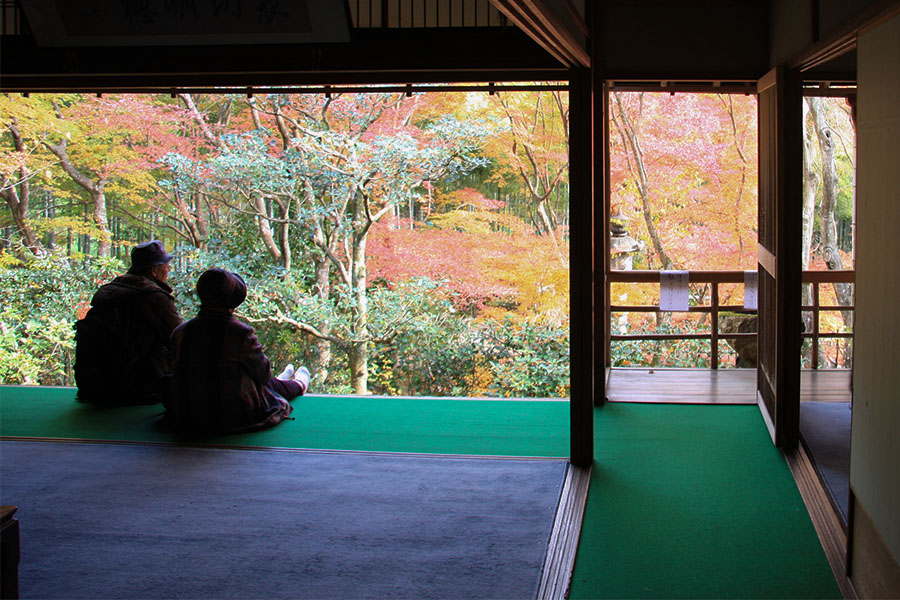
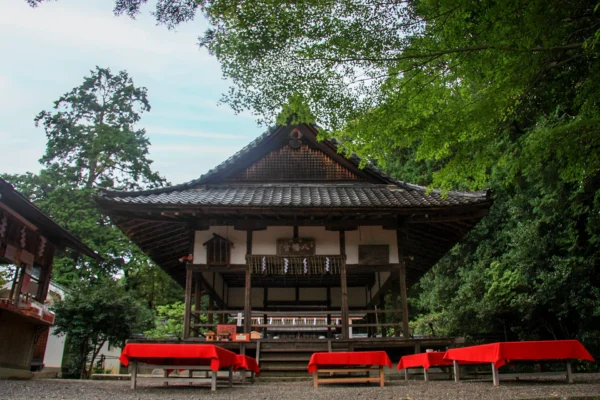
Main Hall
The simple and elegant main hall reflects the peaceful aesthetics of Zen Buddhism.
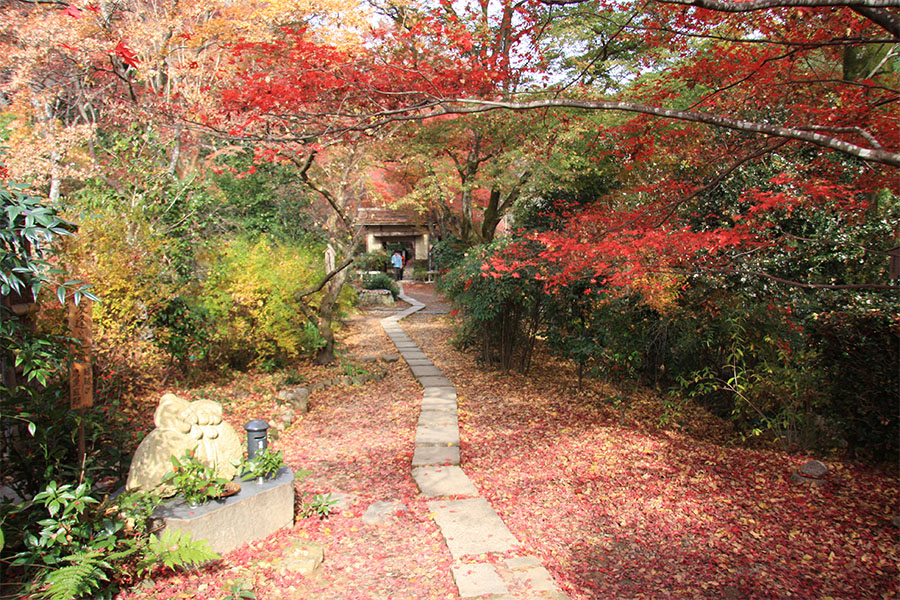
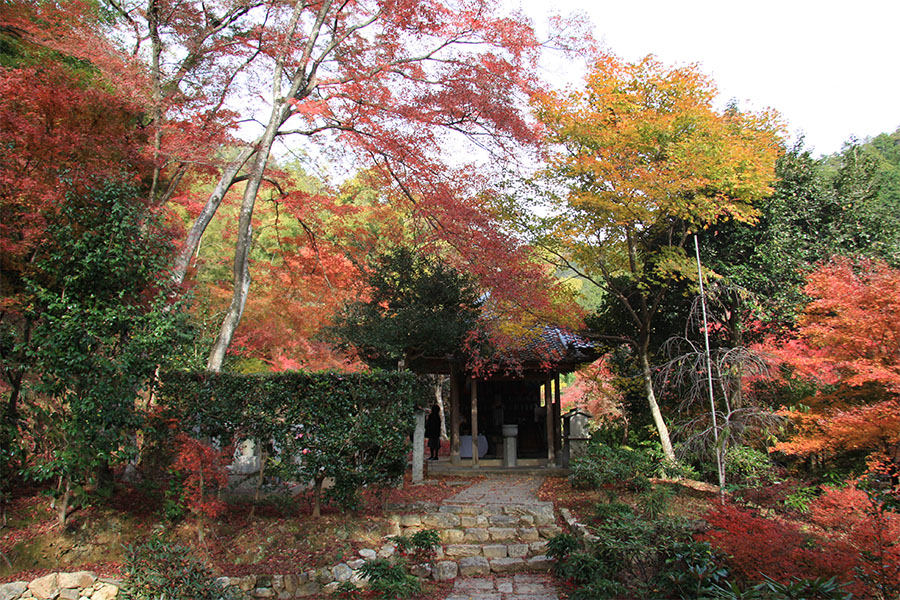
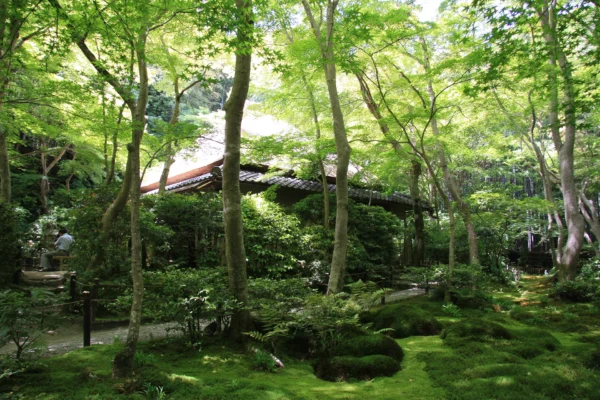
Seasonal Gardens
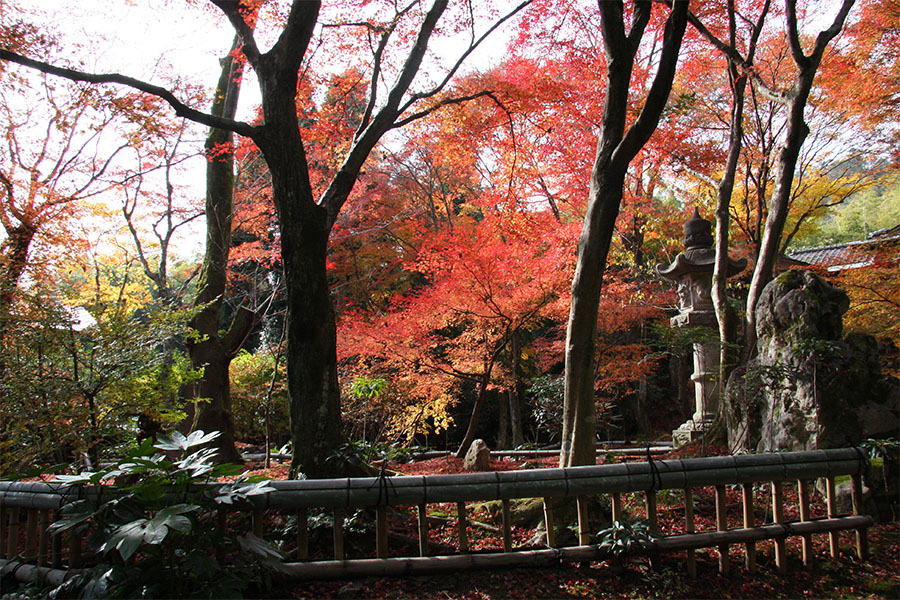
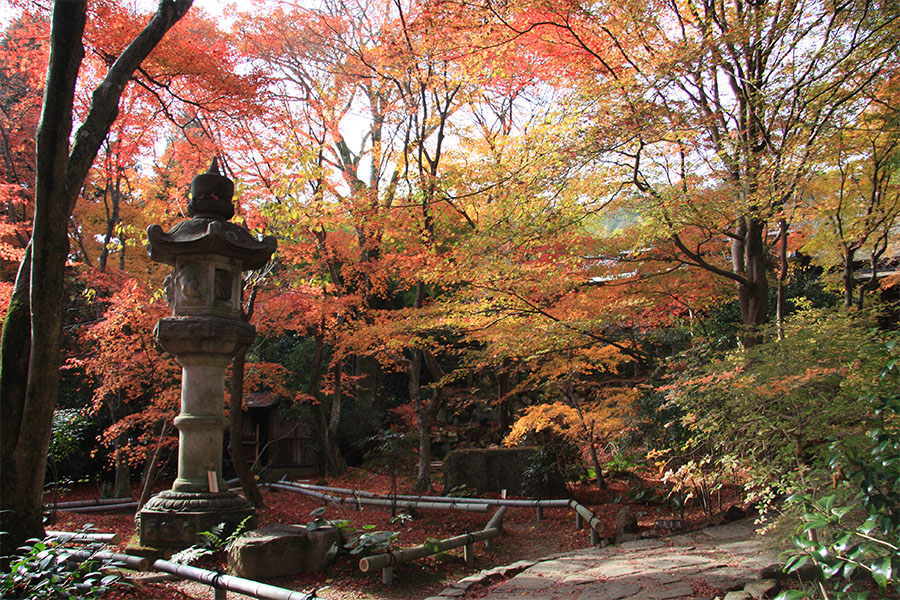
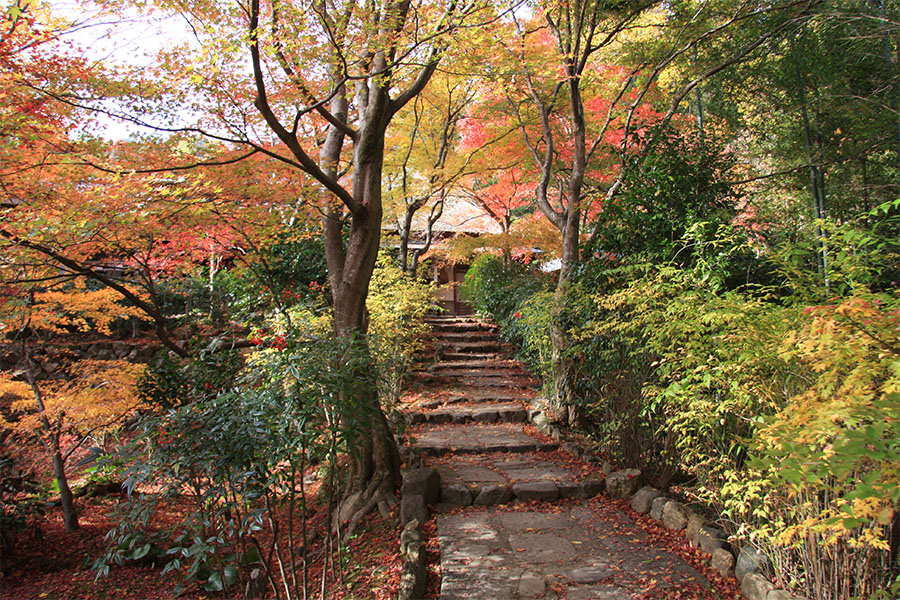
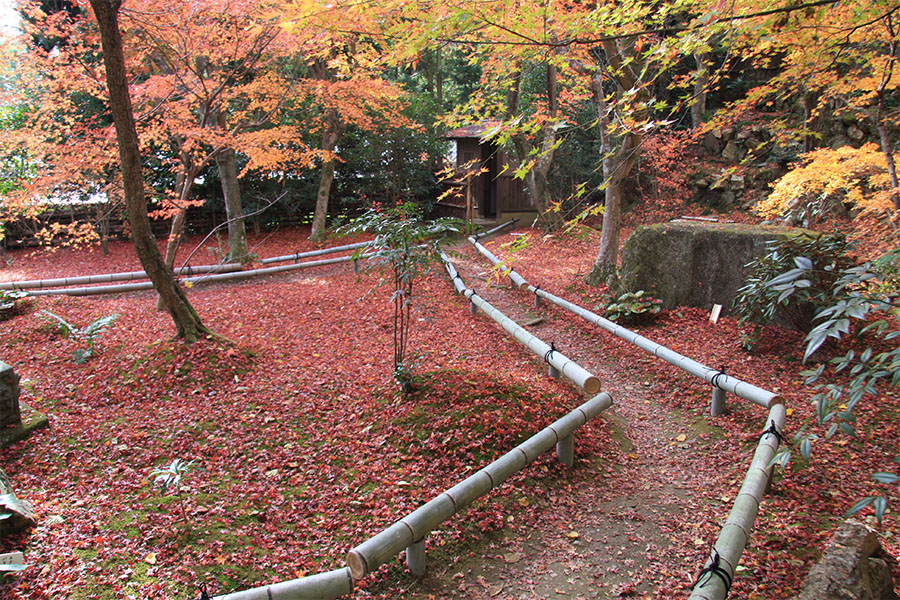
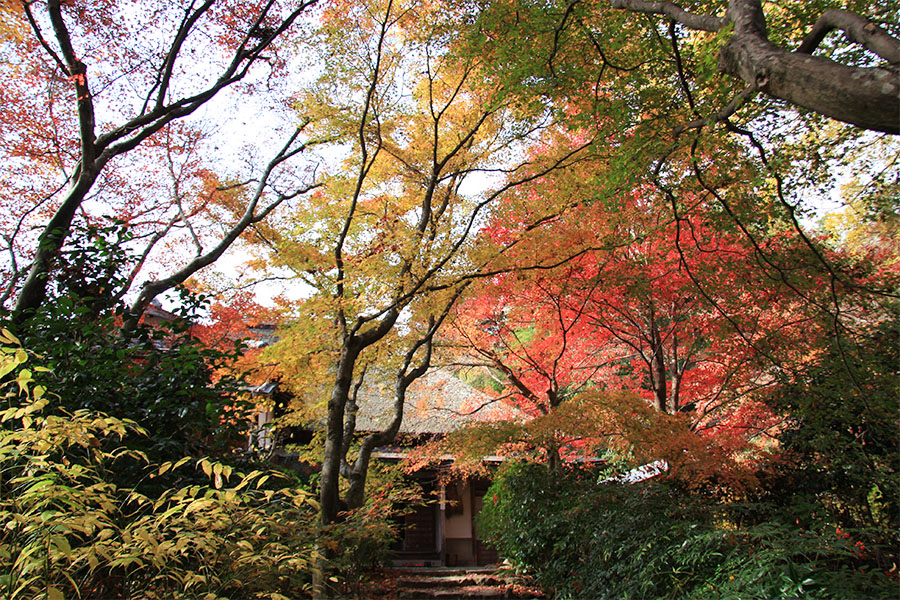
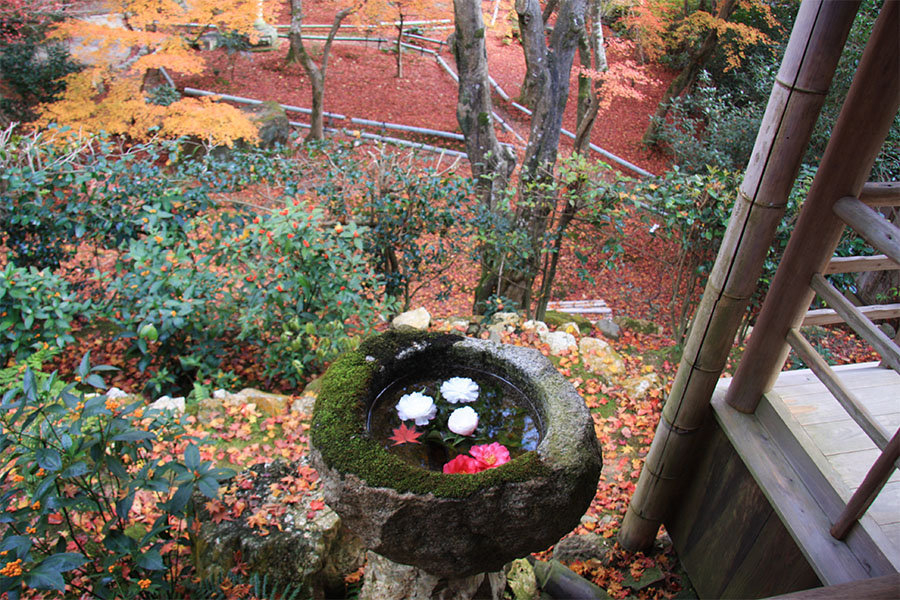
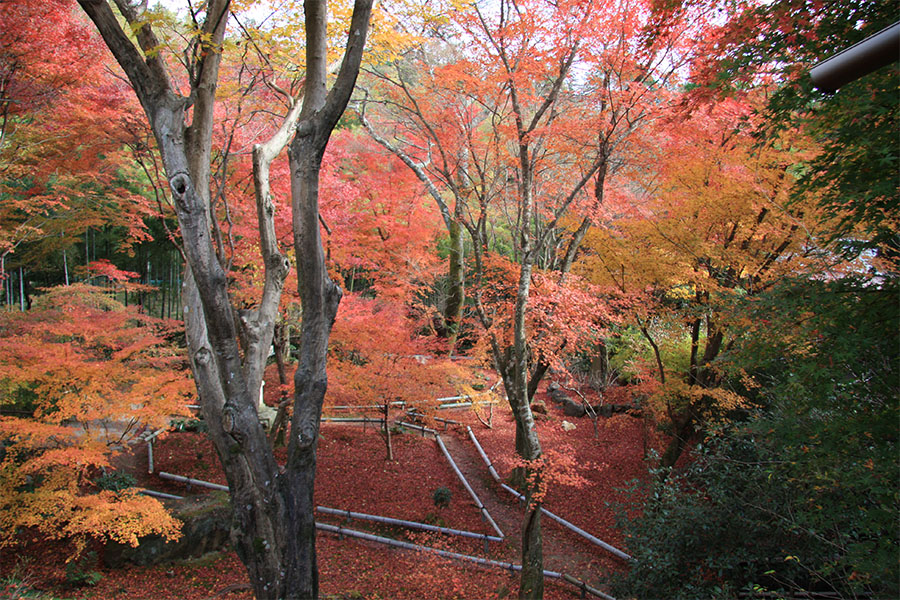
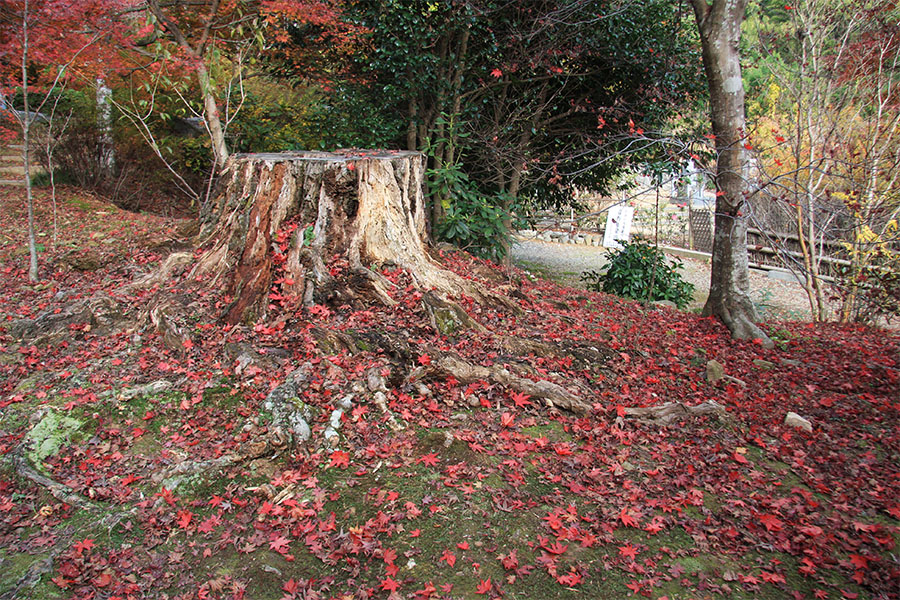
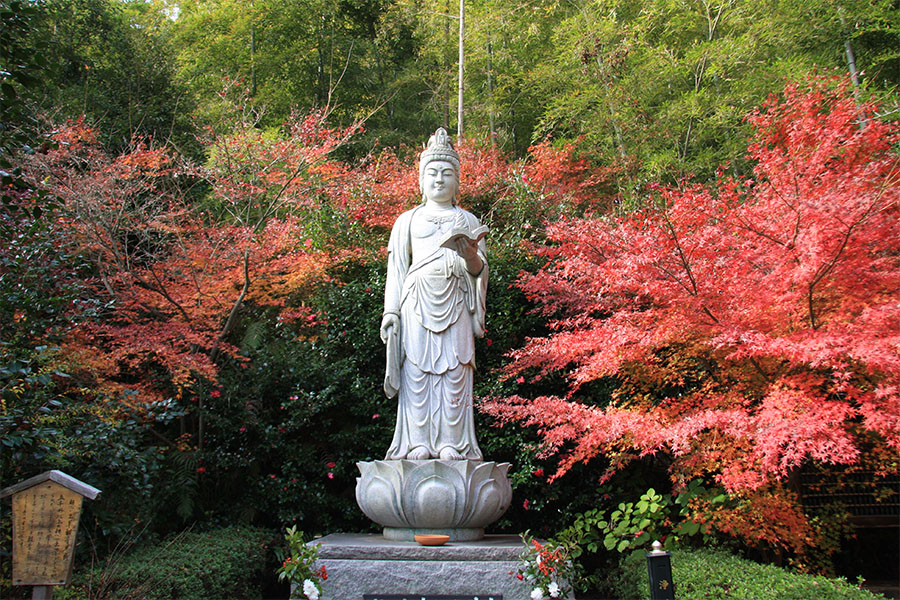
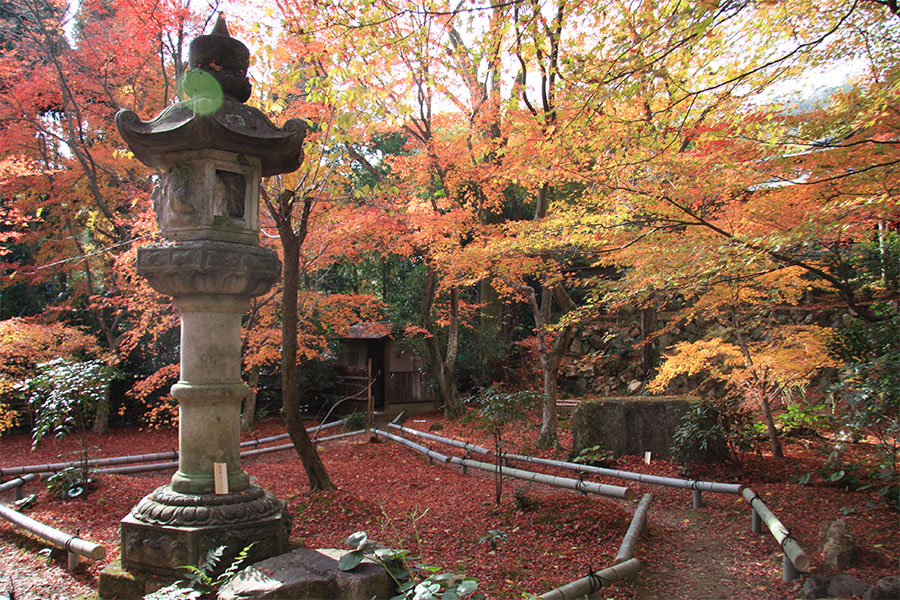
Cherry blossoms in spring, fresh greenery in early summer, and colorful maple leaves in autumn create beautiful scenery throughout the year.
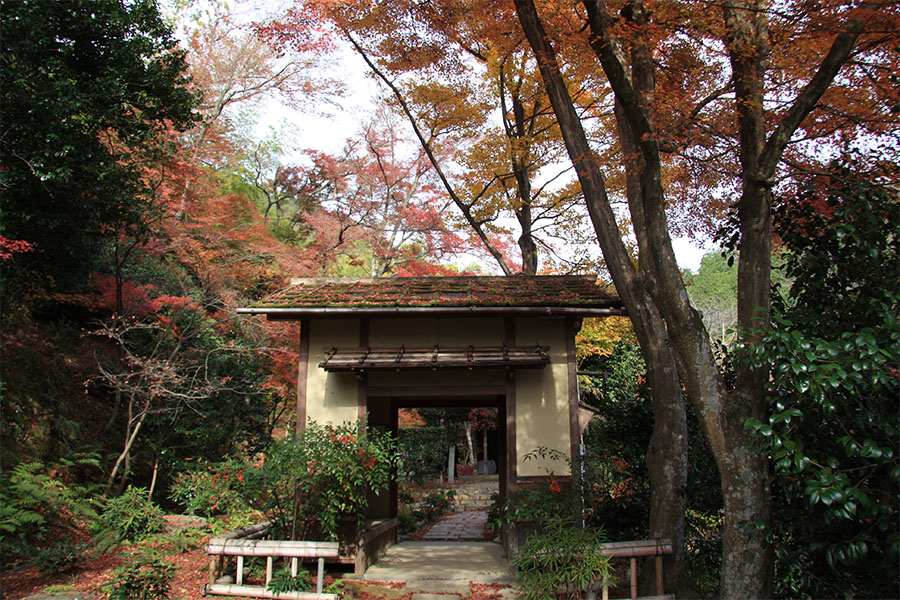
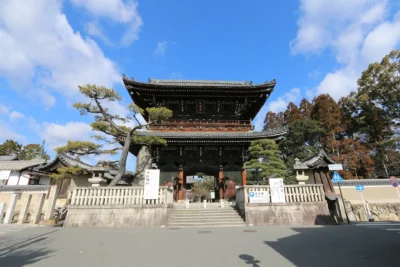
Temple Gate
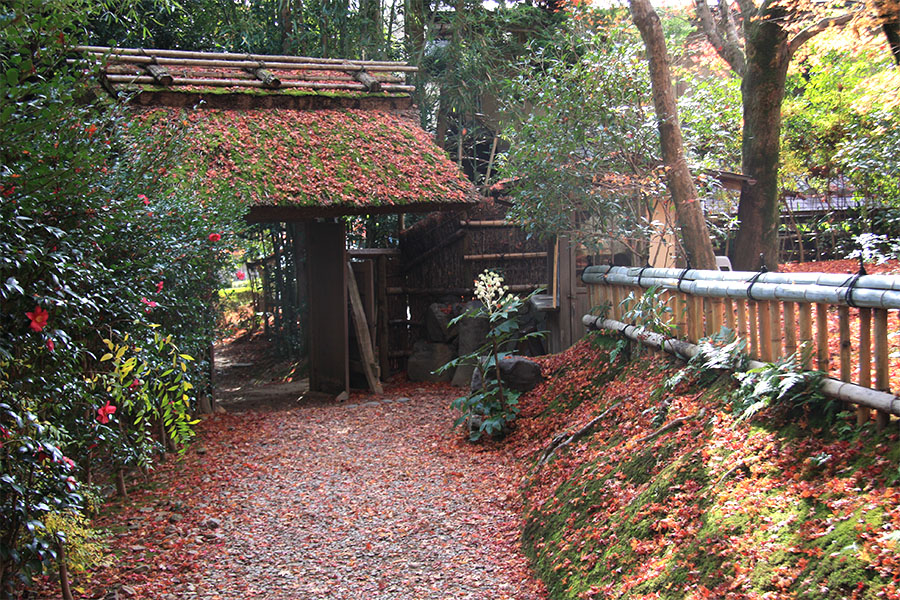
The traditional entrance blends harmoniously with the peaceful countryside atmosphere of Sagano.
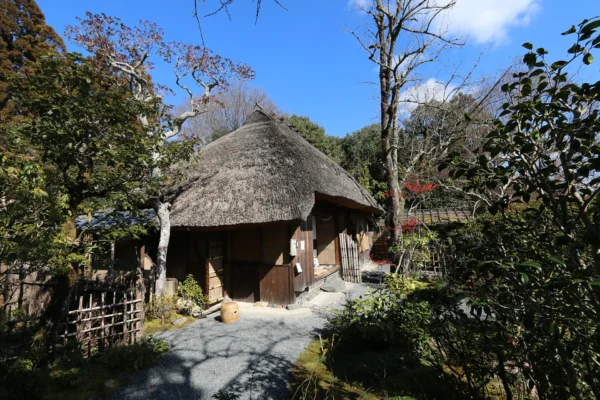
Quiet Sagano Setting
Located away from the busiest tourist routes, the temple provides an ideal place for quiet reflection.
Visit Tips
Jikishi-an is best visited together with Adashino Nenbutsu-ji, Otagi Nenbutsu-ji, and the Sagano Bamboo Grove for a relaxing day exploring the quieter side of Arashiyama.
Don’t miss the Omoidegusa Notebook. Writing a message in the notebook has become a memorable tradition for many visitors from around the world.
Information
| Opening Hours |
|
|---|---|
| Admission |
|
| Access |
|
| Address | 3 Kita-Sagakita-no-Dancho, Ukyo-ku, Kyoto, Japan |
Jikishi-an Temple : Gallery


Jikishi-an Temple : Autumn Leaves