
Rozan-ji Temple is the head temple of the Tendai Enjo sect and is best known as the temple associated with Murasaki Shikibu, the author of The Tale of Genji. The temple stands on the site traditionally believed to have been the residence of Murasaki Shikibu’s family, making it one of Kyoto’s most important literary landmarks.
Visitors are drawn not only by its rich history but also by the beautiful Genji Garden, where white gravel, moss, and seasonal flowers create an elegant landscape inspired by the world of classical Japanese literature. In early summer, thousands of blooming bellflowers transform the garden into one of Kyoto’s most picturesque scenes.
History
Rozan-ji was founded in 938 by the renowned Tendai monk Ryogen. Originally located elsewhere in Kyoto, the temple was relocated to its present site after repeated destruction caused by wars and fires.
According to tradition, the current temple grounds occupy the former residence of Fujiwara no Tametoki, the father of Murasaki Shikibu. It is widely believed that The Tale of Genji, often regarded as the world’s first novel, was written in this area, giving Rozan-ji a unique place in Japanese literary history.
Highlights
Genji Garden
The temple’s famous Zen-style garden was inspired by The Tale of Genji. White gravel, moss, and seasonal flowers create an elegant landscape, while thousands of bellflowers bloom beautifully in early summer.
Site of Murasaki Shikibu’s Residence
Rozan-ji is traditionally believed to stand on the former residence of Murasaki Shikibu. Literature enthusiasts from around the world visit to experience the birthplace of one of Japan’s greatest literary works.
Main Hall
The Main Hall enshrines important Buddhist images and continues to serve as the spiritual center of the temple. Its peaceful atmosphere reflects over a thousand years of Buddhist tradition.
Literary Heritage
Stone monuments and memorials dedicated to Murasaki Shikibu can be found throughout the grounds, offering visitors a deeper appreciation of Kyoto’s Heian-period culture.
Bellflower Garden
Around 1,000 bellflowers bloom in June and early July, making Rozan-ji one of Kyoto’s best-known destinations for these elegant seasonal flowers.
Visit Tips
The best time to visit is from mid-June to early July when the bellflowers are in full bloom. Early morning visits offer the quietest atmosphere and the best opportunities for photography.
Rozan-ji pairs perfectly with Kyoto Gyoen National Garden, Nashinoki Shrine, Shojoke-in Temple, and other nearby historical sites. It is an essential stop for visitors interested in Kyoto’s literary heritage and the world of The Tale of Genji.
Information
| Opening Hours |
|
|---|---|
| Admission |
|
| Access |
|
| Address | 397 Kitanobe-cho, Teramachi-dori Hirokoji-agaru, Kamigyo-ku, Kyoto, Japan |
| Website | https://www7a.biglobe.ne.jp/~rozanji/ |
Rozan-ji Temple : Gallery


Nearby Attractions

Nashinoki Shrine
77m

Shojoke-in Temple
85m

Honzen-ji Temple
198m

Kyoto Gyoen National Garden
474m
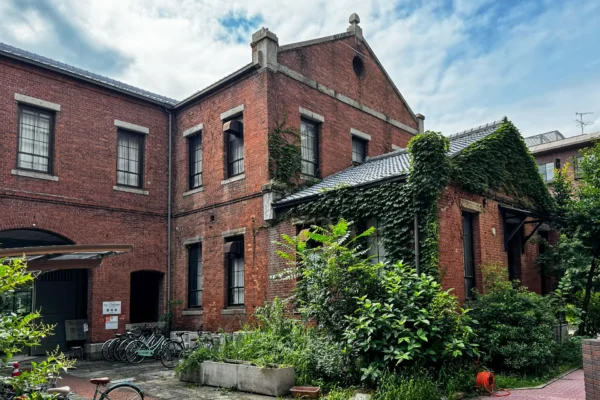
Center for Southeast Asian Studies, Kyoto University (Former Kyoto Imperial University Library)
558m

Former Residence of Joseph Hardy Neesima
590m
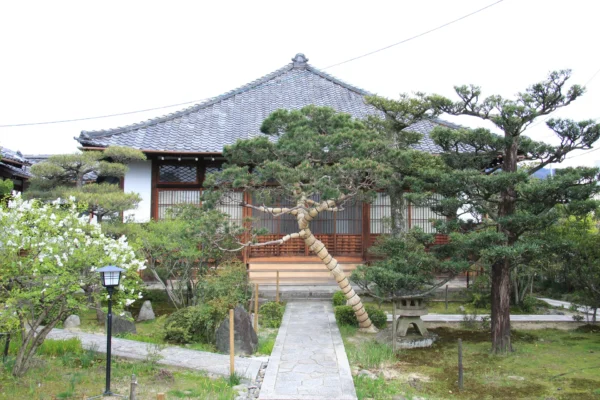
Jorin-ji Temple
716m

Former Kyoto Central Telephone Office, Kamigyo Branch
752m